Patagonia was born in the early 1970s out of a climber’s way of thinking. Yvon Chouinard shaped the brand in Ventura, California, and, from the world of mountaineering, built a company that today develops clothing and gear for skiing, snowboarding, surfing, climbing, trail running, and fly fishing. That origin still explains the company’s ambition today: not
… read more
Patagonia
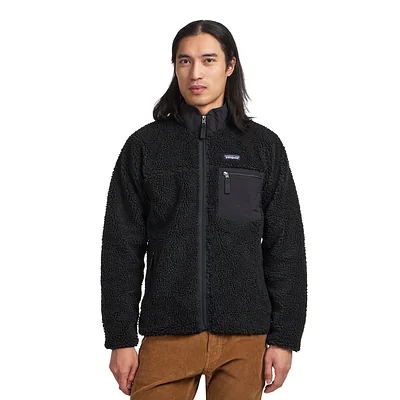 PatagoniaClassic Retro-X Jacket249,95 €S, M, L, XL, 2XL
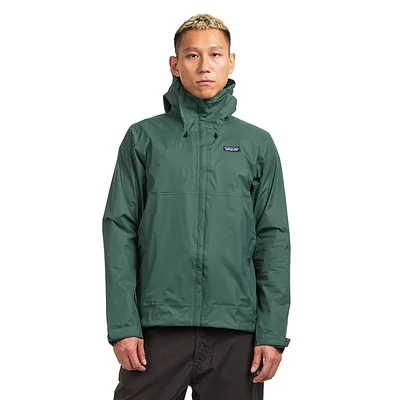 PatagoniaTorrentshell 3L Jacket199,95 €S, M, L, XL, 2XL
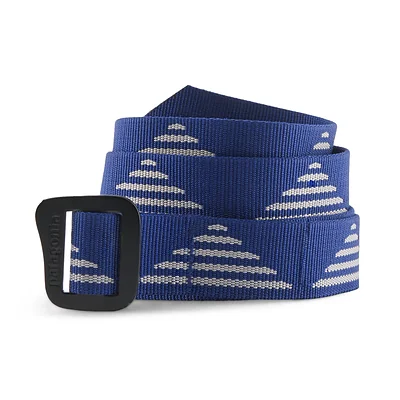 PatagoniaFriction Belt29,95 €One Size
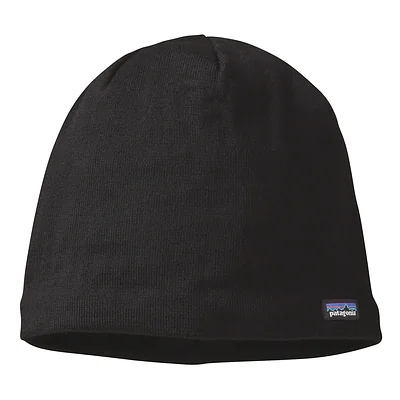 PatagoniaBeanie Hat49,95 €One Size
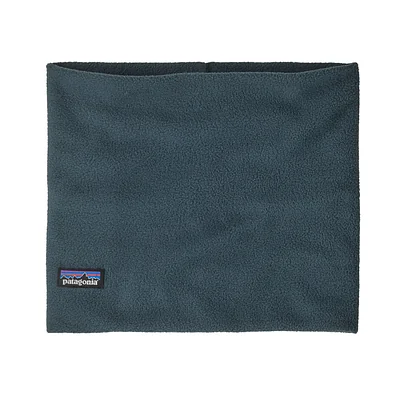 PatagoniaMicro D Gaiter29,95 €One Size
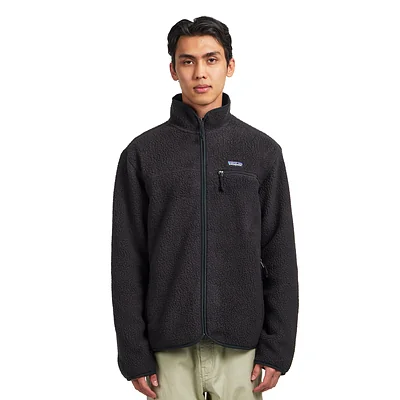 PatagoniaRetro Pile Jacket169,95 €S, M, L, XL, 2XL
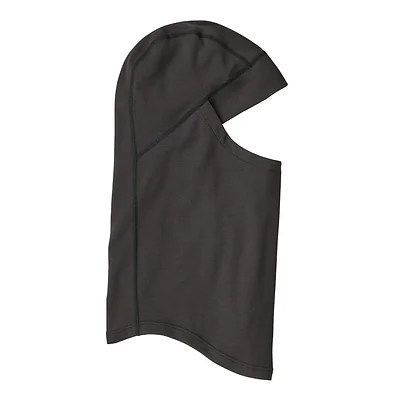 PatagoniaBalaclava49,95 €One Size
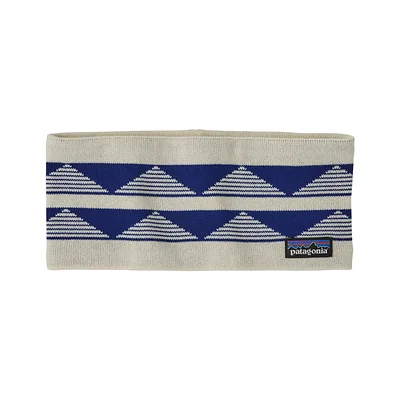 PatagoniaPowder Town Headband39,95 €One Size
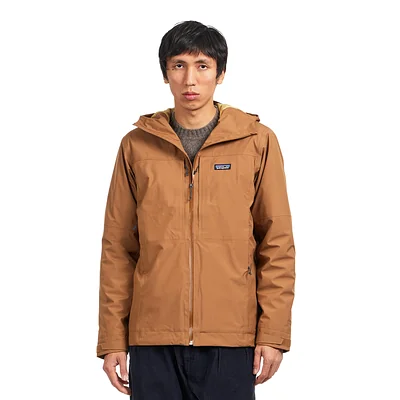 PatagoniaInsulated Boulder Fork Rain Jacket329,95 €S, M, L, XL, 2XL
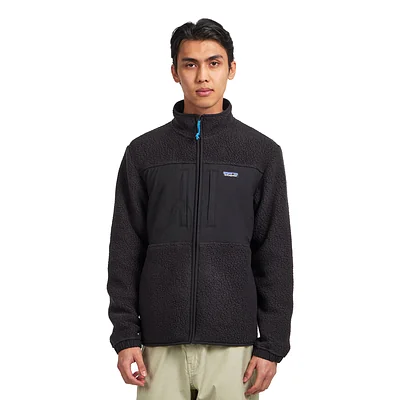 PatagoniaRetro Pile Patch Jacket179,95 €S, M, L, XL, 2XL
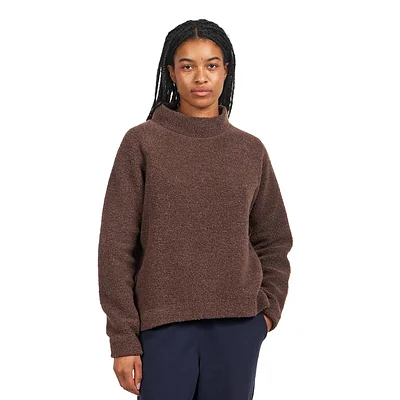 PatagoniaReclaimed Sweater Pullover159,95 €GIRLS XS, GIRLS S, GIRLS M, GIRLS L
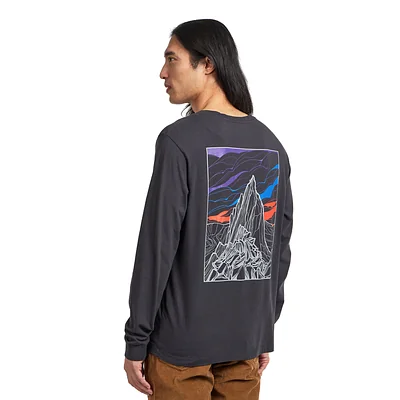 PatagoniaLong-Sleeved Cloud Crag T-Shirt59,95 €S, M, L, XL, 2XL
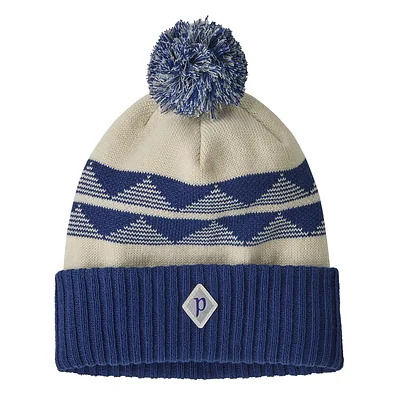 PatagoniaPowder Town Beanie49,95 €One Size
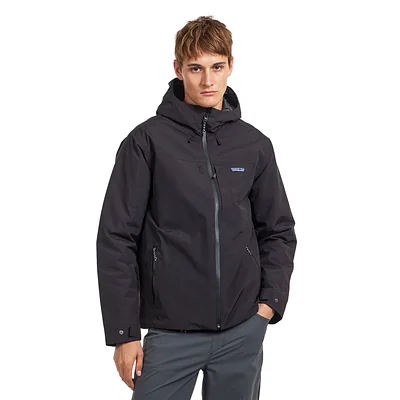 PatagoniaWindshadow Jacket349,95 €M, L, XL, 2XL
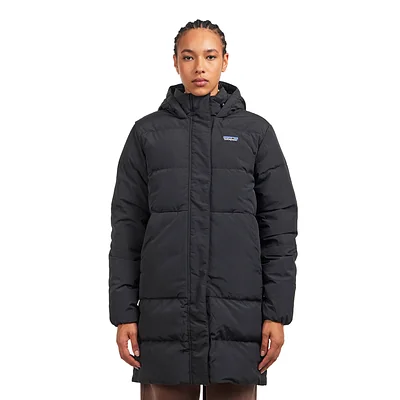 PatagoniaSisar Down Parka419,95 €GIRLS XS, GIRLS S, GIRLS M
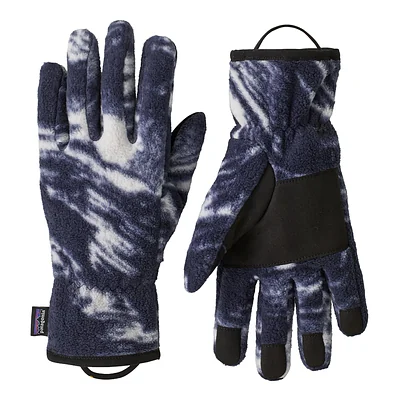 PatagoniaSynchilla Gloves49,95 €S, M, L, XL
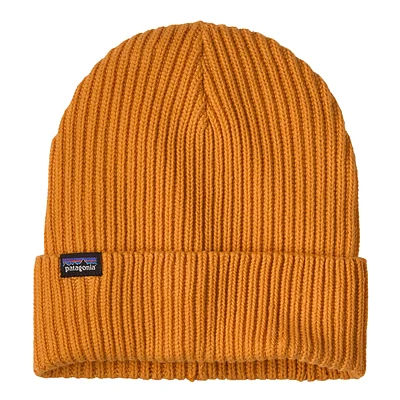 PatagoniaFisherman's Rolled Beanie39,95 €One Size
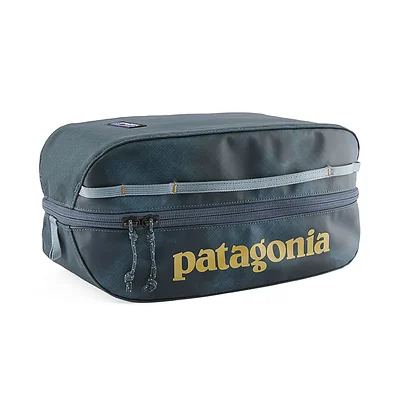 PatagoniaBlack Hole Cube 6L49,95 €One Size
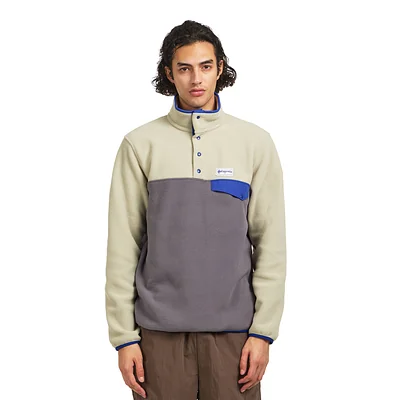 PatagoniaLightweight Synchilla Snap-T Pullover129,95 €S, M, L, XL, 2XL
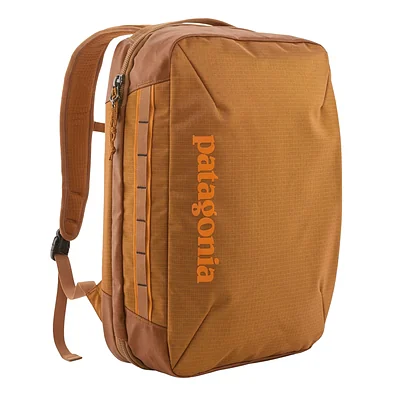 PatagoniaBlack Hole Micro MLC149,95 €One Size
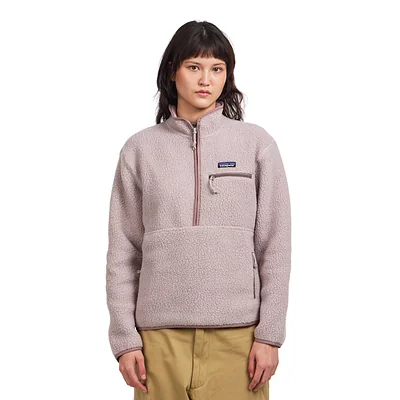 PatagoniaRetro Pile Marsupial159,95 €GIRLS XS, GIRLS S, GIRLS M, GIRLS L
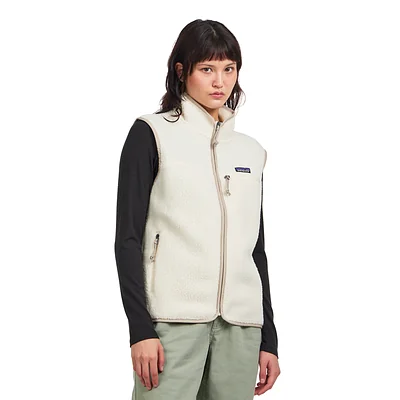 PatagoniaRetro Pile Vest139,95 €GIRLS XS, GIRLS S, GIRLS M, GIRLS L
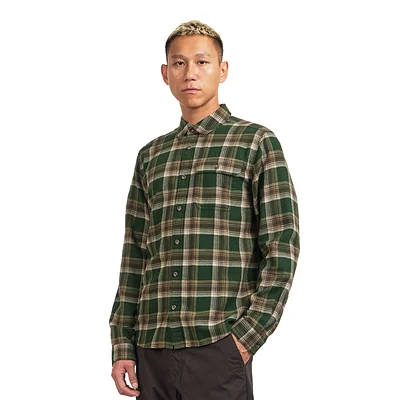 PatagoniaLong-Sleeved Lightweight Fjord Flannel Shirt99,95 €S, M, L, XL, 2XL
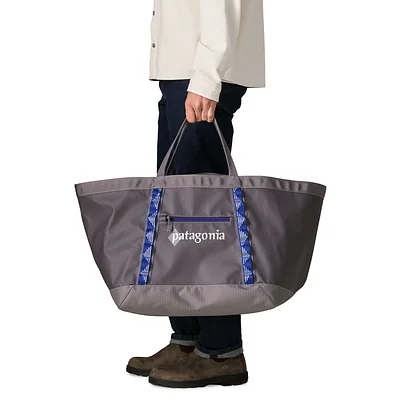 PatagoniaBlack Hole Gear Tote119,95 €One Size
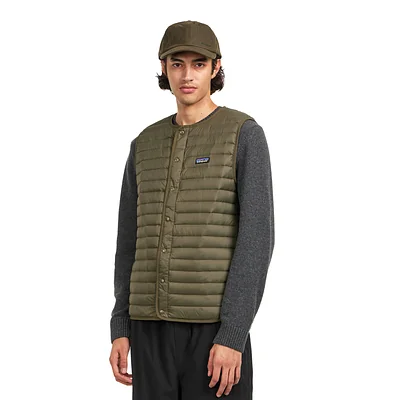 PatagoniaLightweight Down Sweater Vest199,95 €S, M, L, XL, 2XL
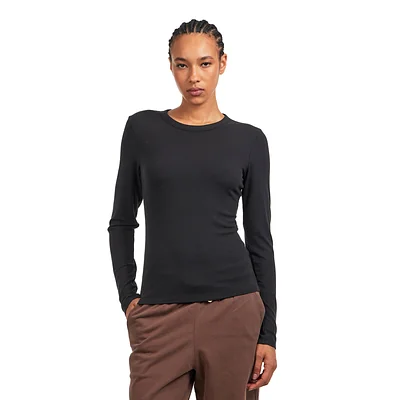 PatagoniaLong-Sleeved Rib Knit Top59,95 €GIRLS XS, GIRLS S, GIRLS M, GIRLS L
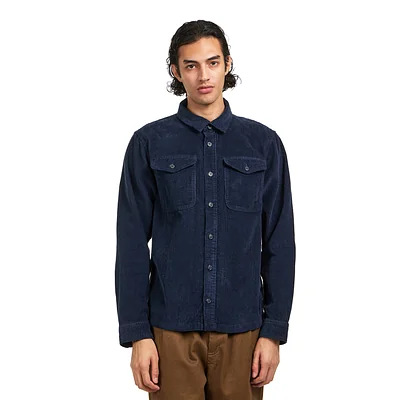 PatagoniaCorduroy Shirt129,95 €S, M, L, XL, 2XL
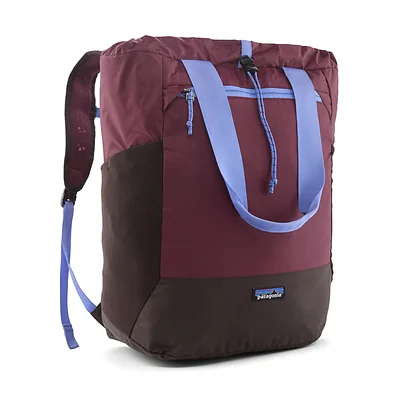 PatagoniaTerravia Tote Pack89,95 €One Size
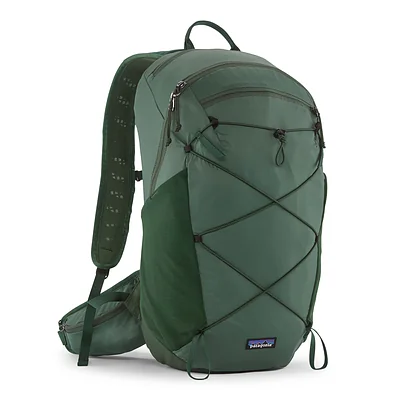 PatagoniaTerravia Pack 22L119,95 €M, L
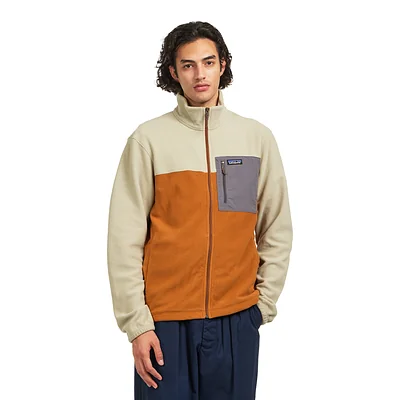 PatagoniaMicro D Patch Pocket Jacket129,95 €S, M, L, XL, 2XL
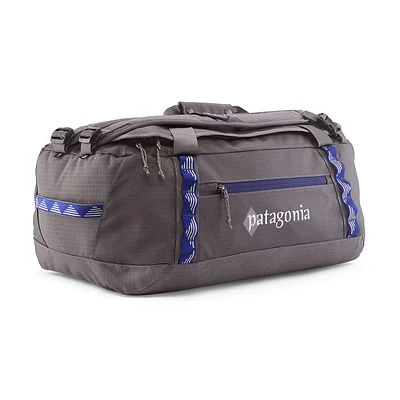 PatagoniaBlack Hole Duffel 40L149,95 €One Size
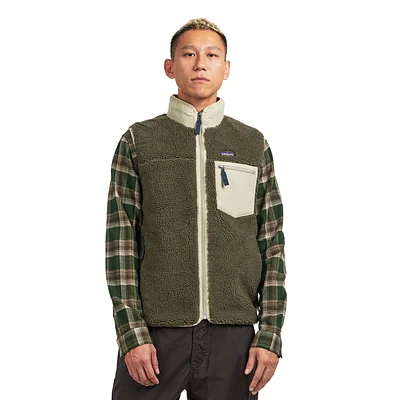 PatagoniaClassic Retro-X Vest189,95 €S, M, L, XL, 2XL
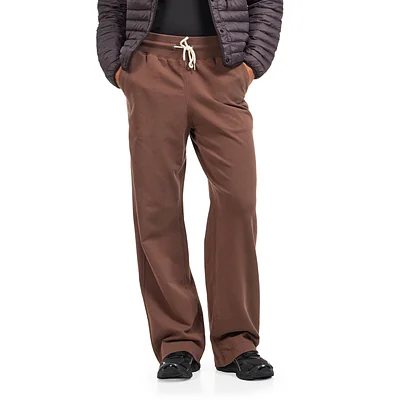 PatagoniaDaily Pants99,95 €GIRLS XS, GIRLS S, GIRLS M
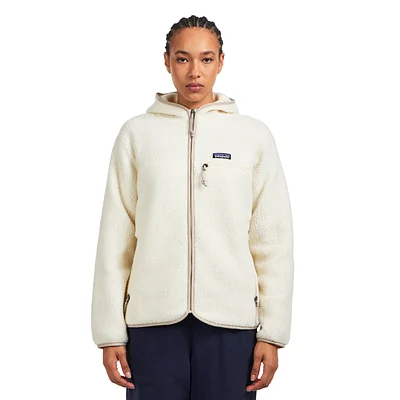 PatagoniaRetro Pile Hoody179,95 €GIRLS S, GIRLS M, GIRLS L
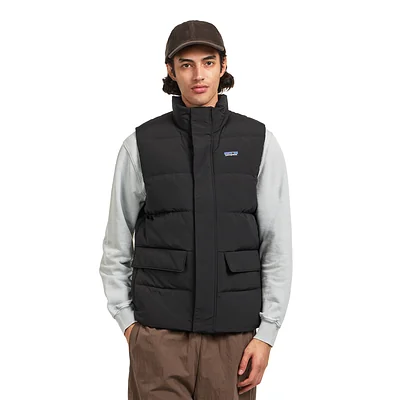 PatagoniaSisar Down Vest249,95 €S, M, L, XL, 2XL
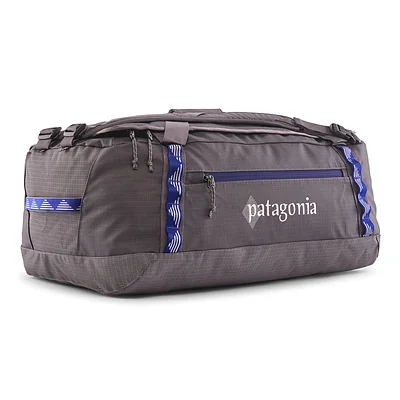 PatagoniaBlack Hole Duffel 55L169,95 €One Size
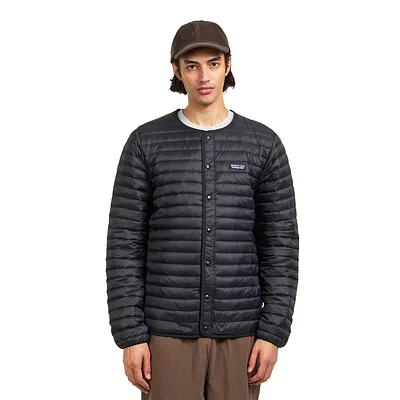 PatagoniaLightweight Down Sweater Cardigan269,95 €S, M, L, XL, 2XL
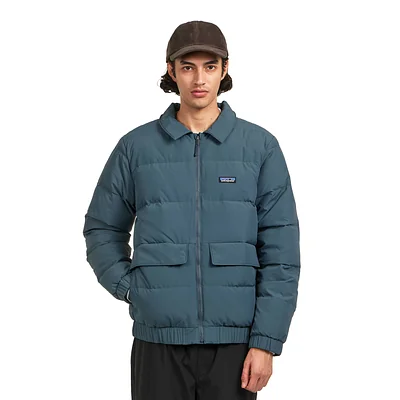 PatagoniaSisar Down Jacket299,95 €S, M, L, XL, 2XL
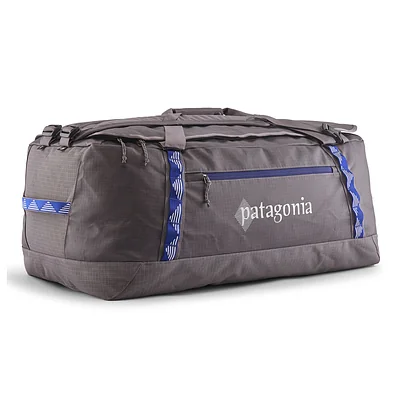 PatagoniaBlack Hole Duffel 70L199,95 €One Size
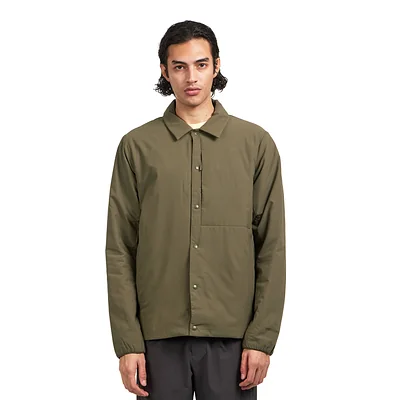 PatagoniaNano-Air Shirt Jacket239,95 €S, M, L, XL, 2XL
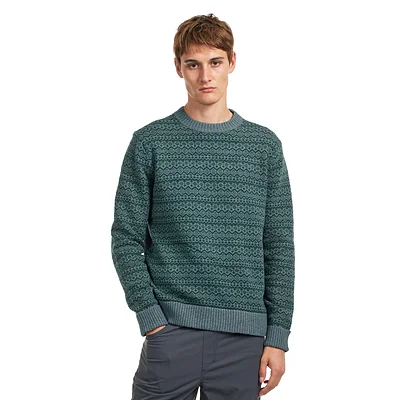 PatagoniaRecycled Wool-Blend Sweater159,95 €M, L, XL, 2XL
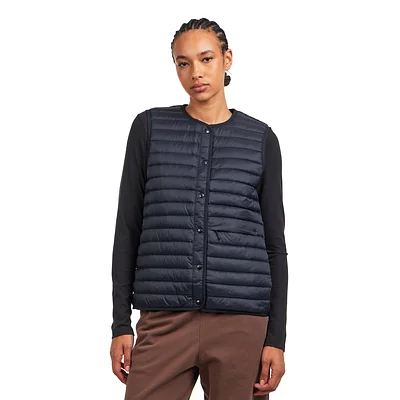 PatagoniaLightweight Reversible Down Sweater Vest199,95 €GIRLS XS, GIRLS S, GIRLS M, GIRLS L
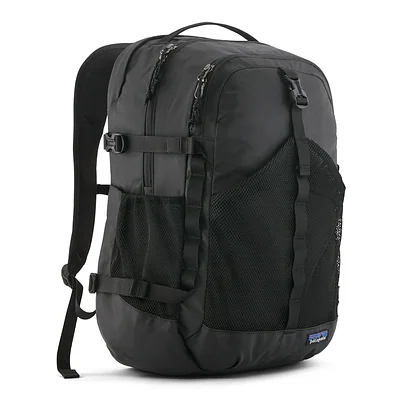 PatagoniaRefugio Day Pack 30L119,95 €One Size
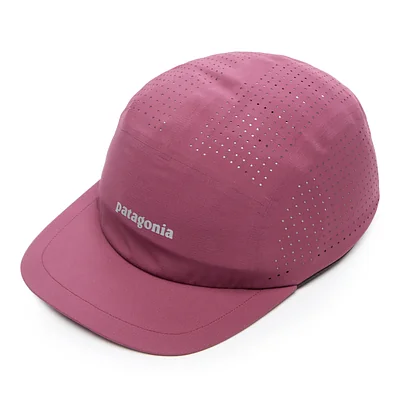 PatagoniaULW Ridge Hat49,95 €One Size
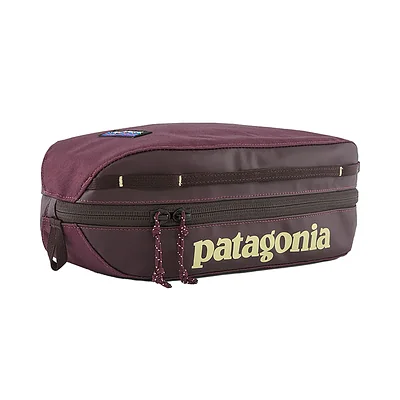 PatagoniaBlack Hole Cube - Small39,95 €One Size
 PatagoniaSisar Down Hoody Jacket349,95 €M, L, XL, 2XL
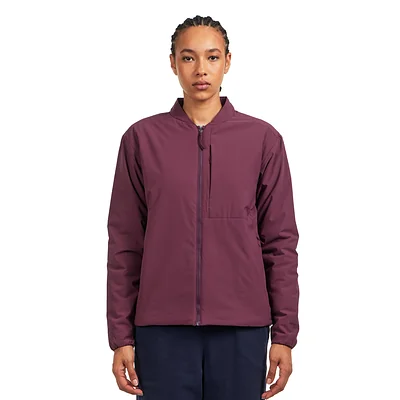 PatagoniaNano-Air Bomber Jacket249,95 €GIRLS XS, GIRLS S, GIRLS M, GIRLS L
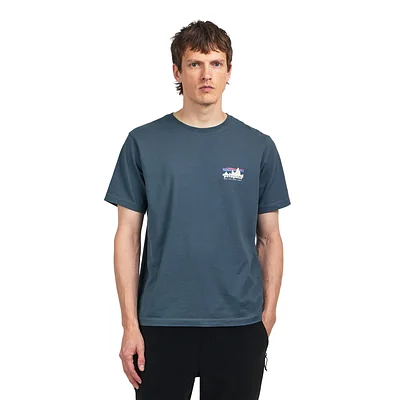 Patagonia'73 Skyline T-Shirt49,95 €S, M, L, 2XL
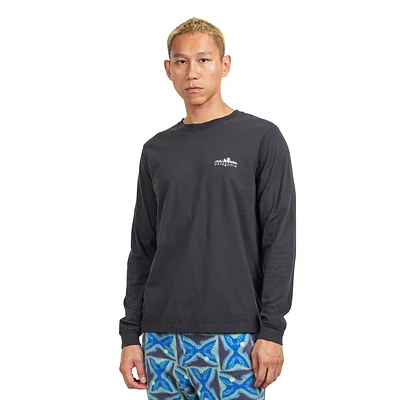 PatagoniaLong-Sleeved Fitz Roy Foothills T-Shirt59,95 €S, M, L, XL, 2XL
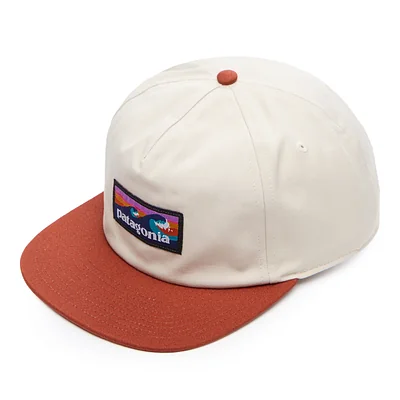 PatagoniaBoardshort Label Funfarer Cap39,95 €One Size
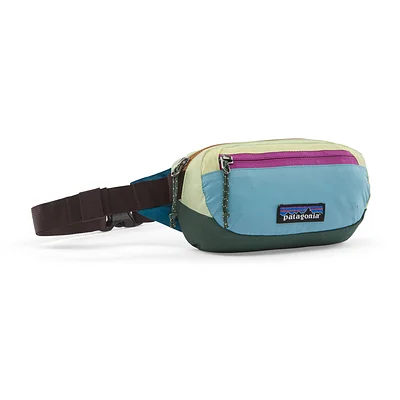 PatagoniaTerravia Mini Hip Pack44,95 €One Size
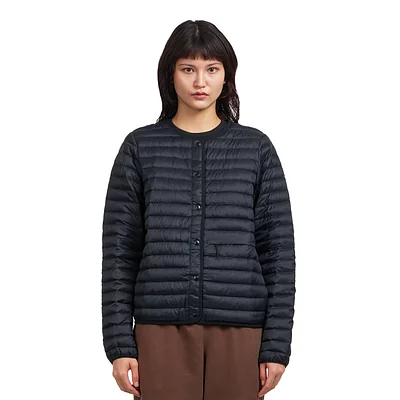 PatagoniaLightweight Reversible Down Sweater Cardigan269,95 €GIRLS XS, GIRLS S, GIRLS M, GIRLS L
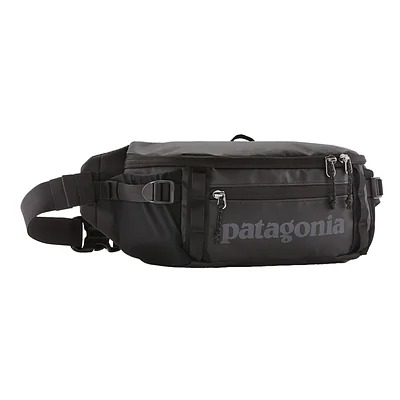 PatagoniaBlack Hole Waist Pack 5L79,95 €One Size
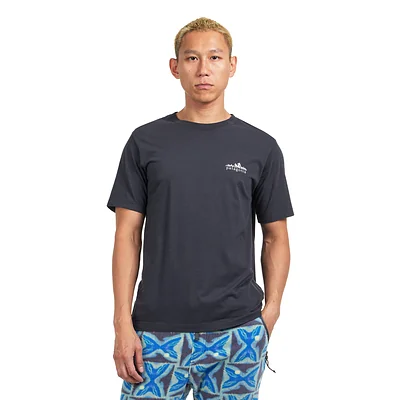 PatagoniaFitz Roy Foothills T-Shirt49,95 €S, M, L, XL, 2XL
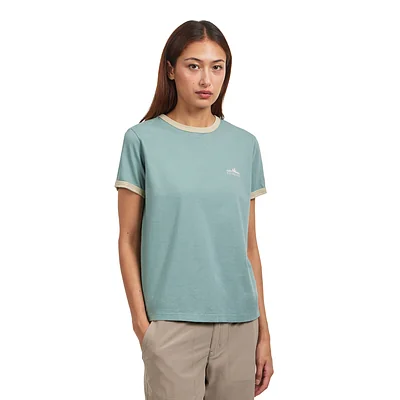 PatagoniaFitz Roy Foothills Ringer Tee49,95 €GIRLS XS, GIRLS S, GIRLS M, GIRLS L
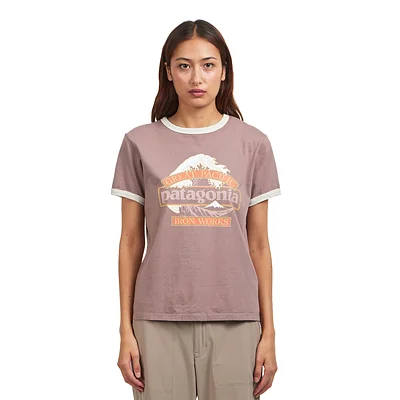 PatagoniaGreat Waves Ringer Tee49,95 €GIRLS XS, GIRLS S, GIRLS M, GIRLS L
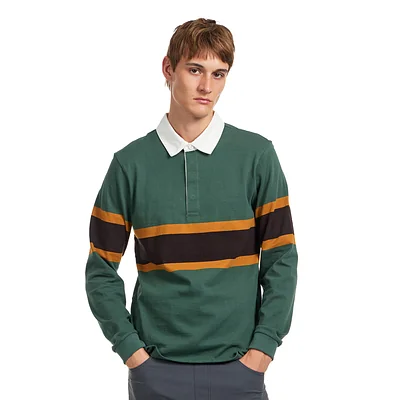 PatagoniaLong-Sleeved Rugby Shirt129,95 €S, M, L, XL, 2XL
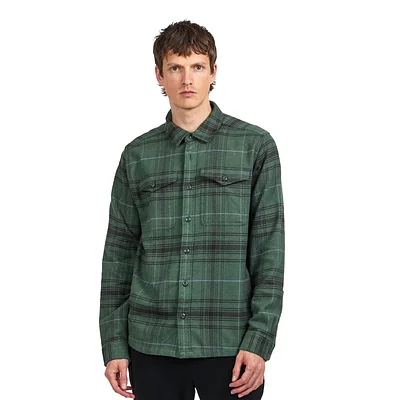 PatagoniaFjord Flannel Shirt139,95 €S, M, L, XL, 2XL
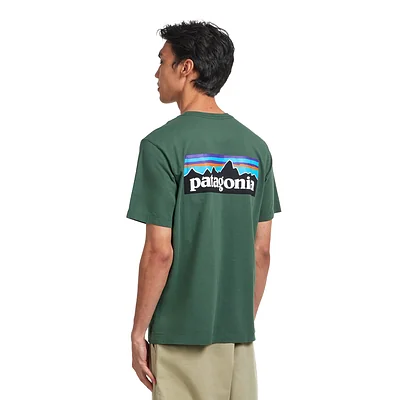 PatagoniaP-6 Logo T-Shirt49,95 €S, M, L, XL, 2XL
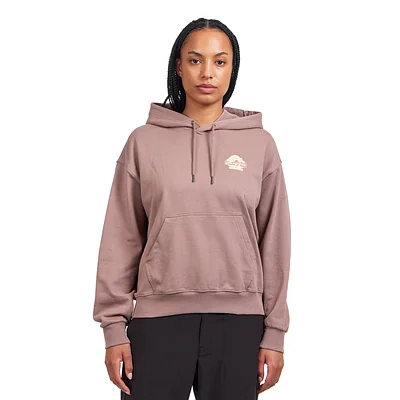 PatagoniaGreat Waves Daily Hoody119,95 €GIRLS XS, GIRLS S, GIRLS M, GIRLS L
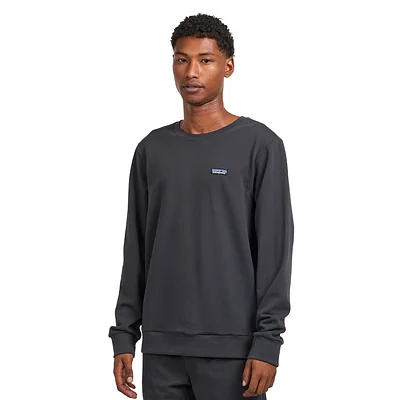 PatagoniaDaily Crew99,95 €S, M, L, XL, 2XL
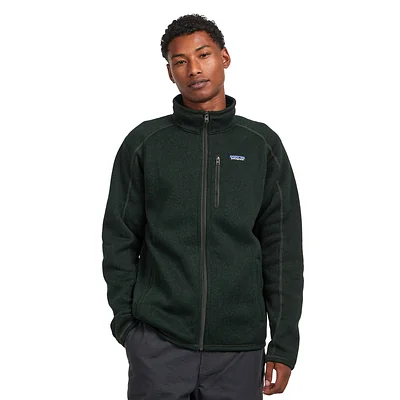 PatagoniaBetter Sweater Jacket159,95 €M, L, XL, 2XL
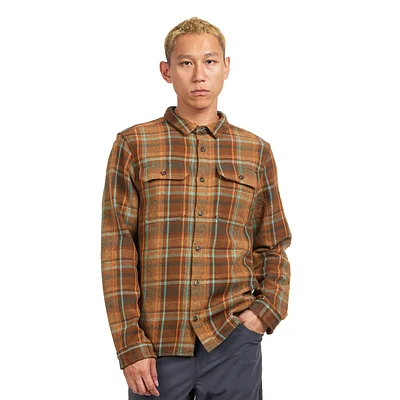 PatagoniaFjord Loft Shirt149,95 €S, L, XL, 2XL
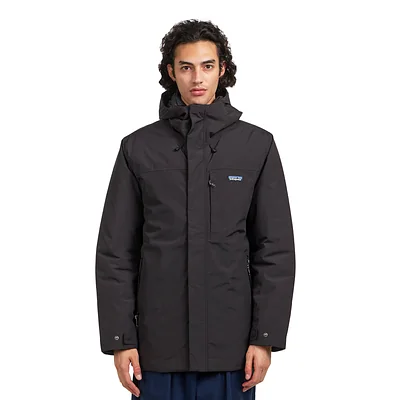 PatagoniaWindshadow Parka399,95 €M, L, XL, 2XL
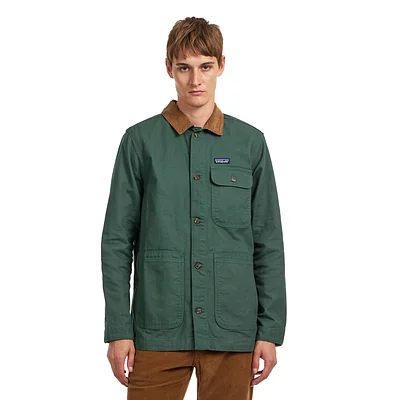 PatagoniaPoint Reyes Canvas Jacket169,95 €S, M, L, XL, 2XL
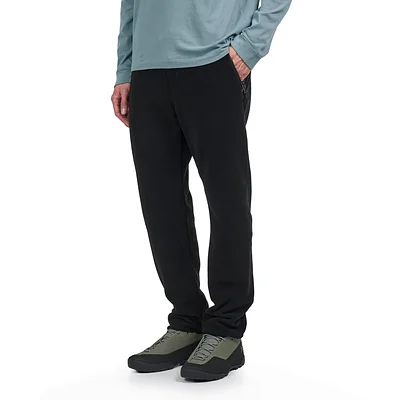 PatagoniaSynchilla Pants129,95 €S, M, L, XL
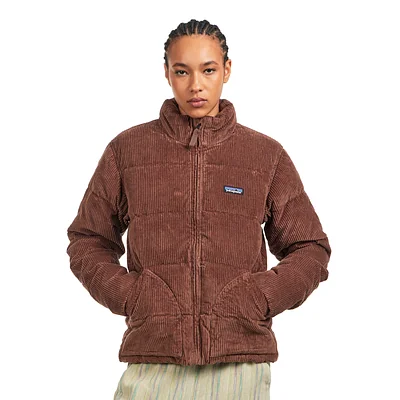 PatagoniaCord Fjord Jacket349,95 €GIRLS XS, GIRLS S, GIRLS M, GIRLS L
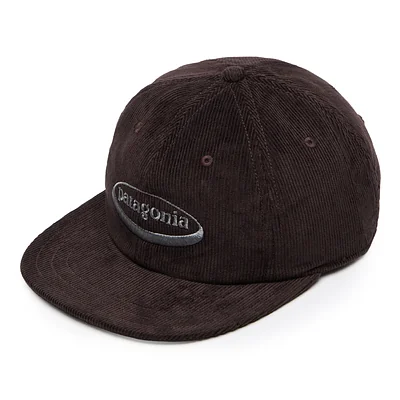 PatagoniaCorduroy Cap49,95 €One Size
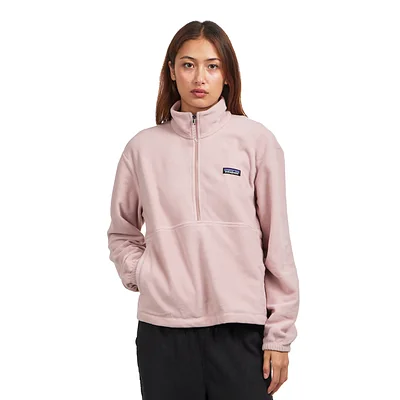 PatagoniaMicro D 1/2 Zip Fleece Pullover99,95 €GIRLS XS, GIRLS S, GIRLS M, GIRLS L
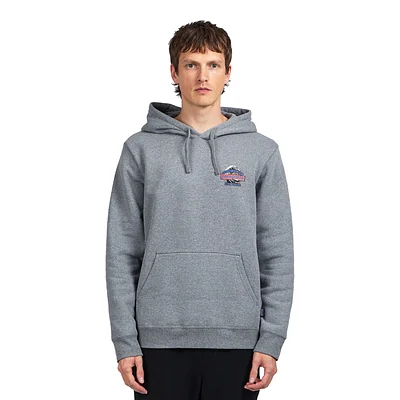 PatagoniaGreat Waves Uprisal Hoody99,95 €S, M, L, XL
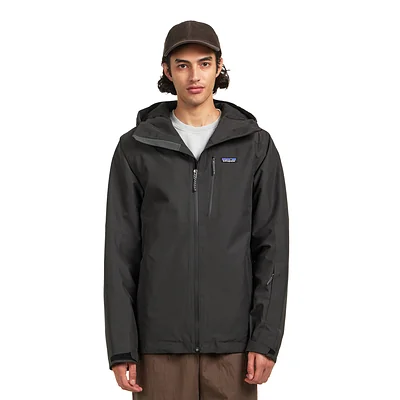 PatagoniaInsulated Powder Town Jacket399,95 €S, M, L, XL, 2XL
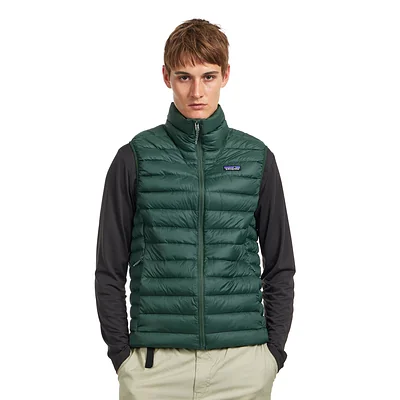 PatagoniaDown Sweater Vest199,95 €S, M, L, XL, 2XL
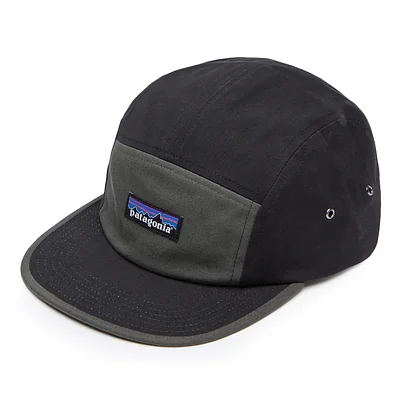 PatagoniaGraphic Maclure Hat49,95 €One Size
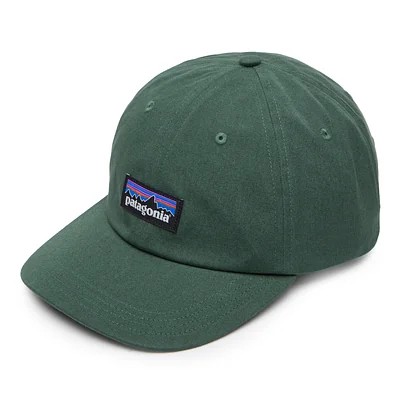 PatagoniaP-6 Label Trad Cap39,95 €One Size
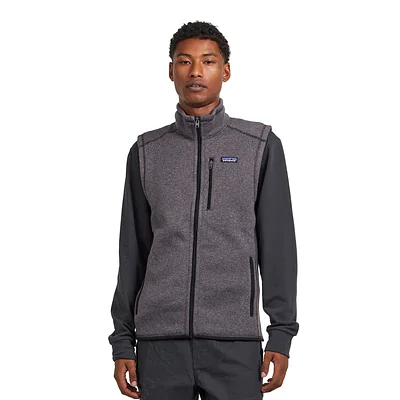 PatagoniaBetter Sweater Vest129,95 €S, M, L, XL, 2XL
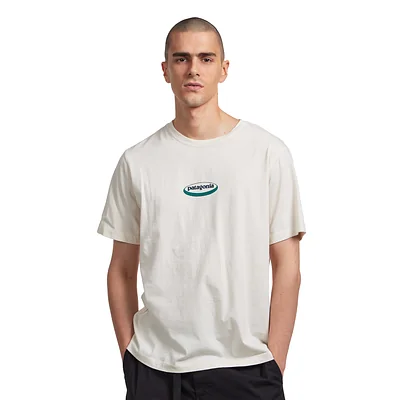 Patagonia'95 Oval Logo T-Shirt44,95 €S, M, L, XL, 2XL
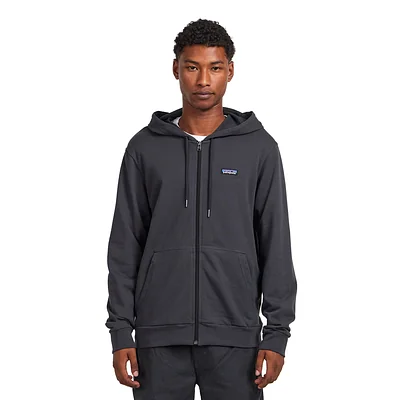 PatagoniaDaily Full-Zip Hoody139,95 €S, M, L, XL, 2XL
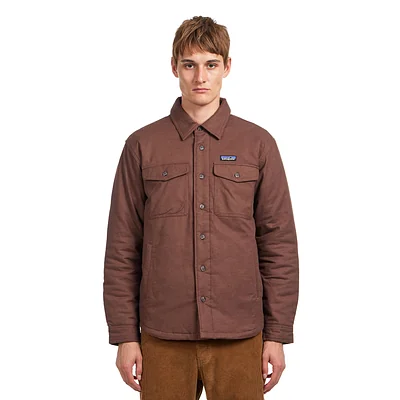 PatagoniaLightweight Insulated Fjord Flannel Shirt219,95 €S, M, L, XL, 2XL
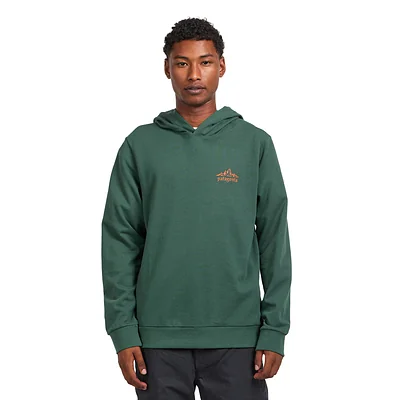 PatagoniaCloud Crag Daily Hoody119,95 €S, M, L, XL
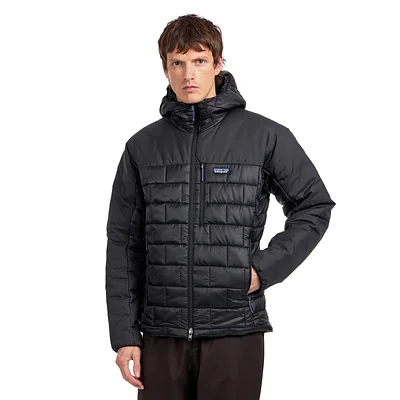 PatagoniaHi-Loft Nano Puff Hoody299,95 €S, M, L, XL, 2XL
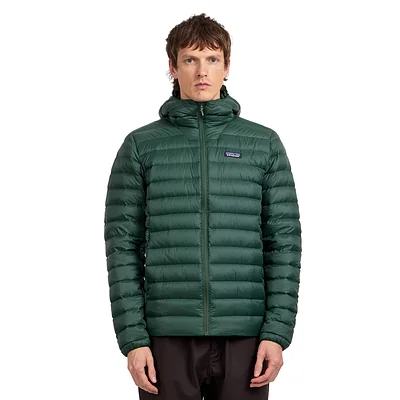 PatagoniaDown Sweater Hoody299,95 €S, M, L, XL, 2XL
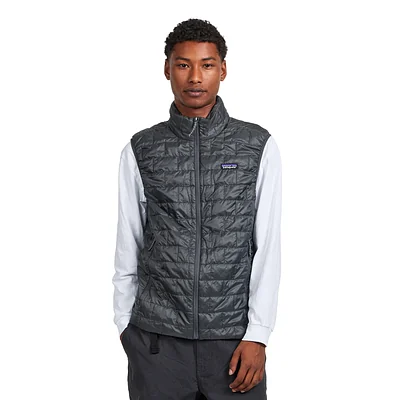 PatagoniaNano Puff Vest159,95 €S, M, L, XL, 2XL
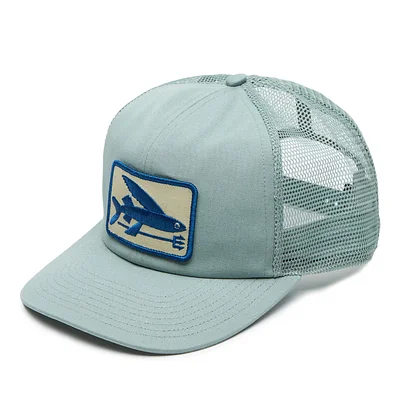 PatagoniaFlying Fish Relaxed Trucker Hat39,95 €One Size
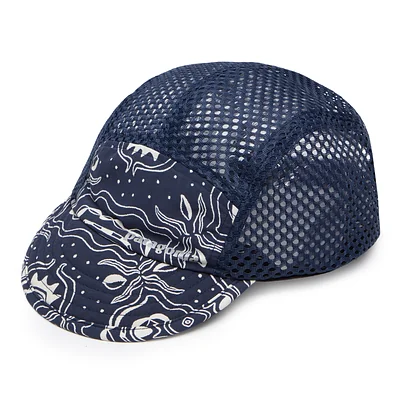 PatagoniaDuckbill Cap39,95 €One Size
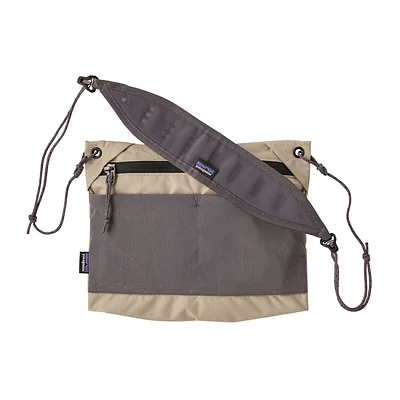 PatagoniaTerravia Sacoche49,95 €One Size
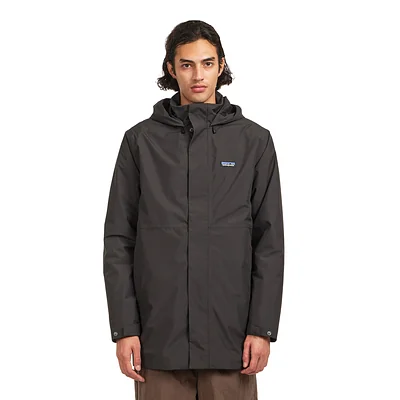 PatagoniaHeyes Peak 3-in-1 Parka499,95 €S, M, L, XL, 2XL
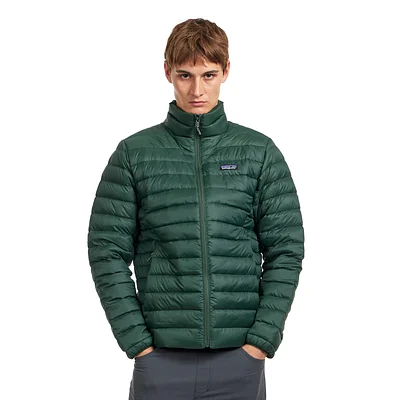 PatagoniaDown Sweater259,95 €M, L, XL, 2XL
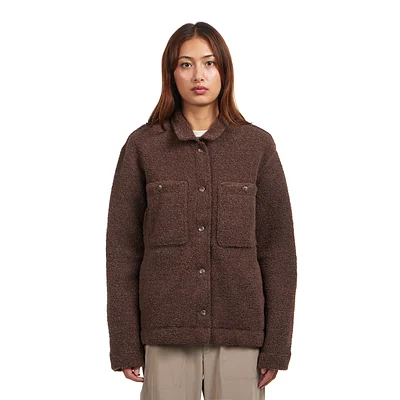 PatagoniaReclaimed Sweater Shirt Jacket189,95 €GIRLS XS, GIRLS S, GIRLS M, GIRLS L
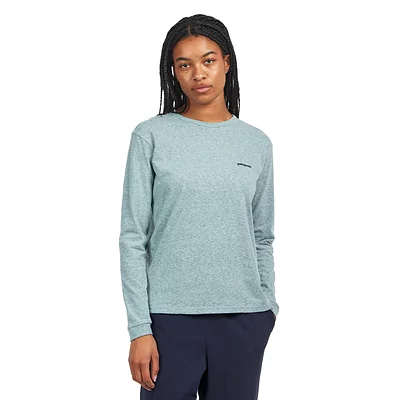 PatagoniaLong-Sleeved P-6 Logo Responsibili-Tee59,95 €GIRLS XS, GIRLS S, GIRLS M, GIRLS L
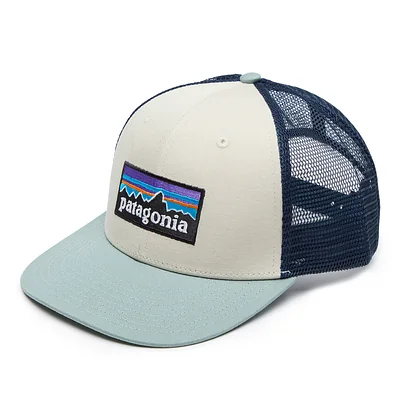 PatagoniaP-6 Logo Trucker Hat39,95 €One Size
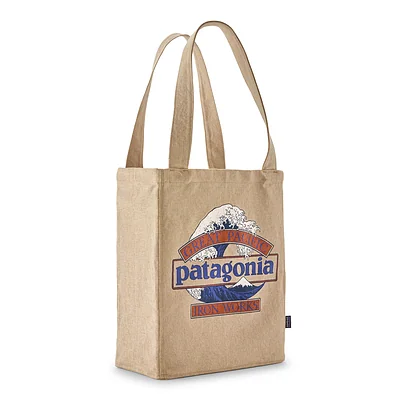 PatagoniaRecycled Market Tote49,95 €One Size
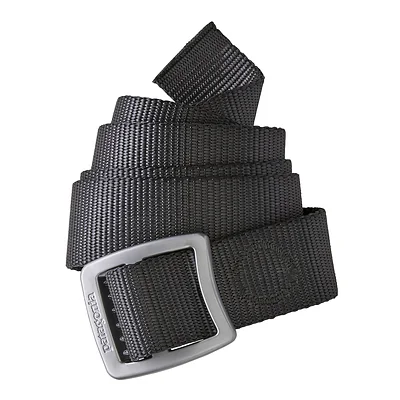 PatagoniaTech Web Belt34,95 €One Size
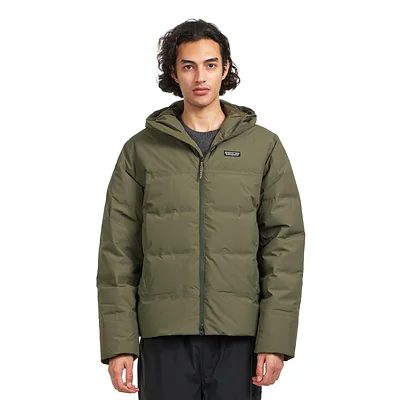 PatagoniaJackson Glacier Jacket499,95 €S, M, L, XL, 2XL
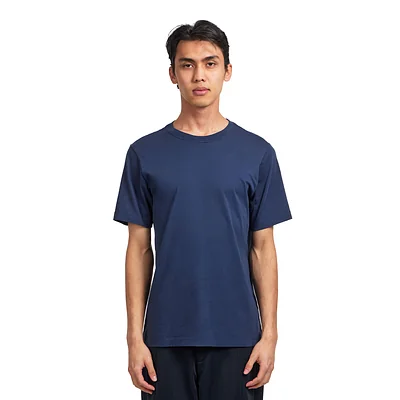 PatagoniaDaily Tee49,95 €S, M, L, XL, 2XL
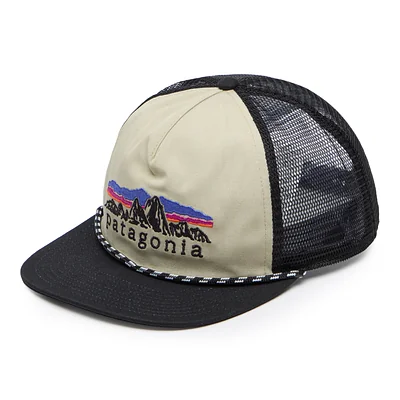 PatagoniaAirfarer Cap39,95 €One Size
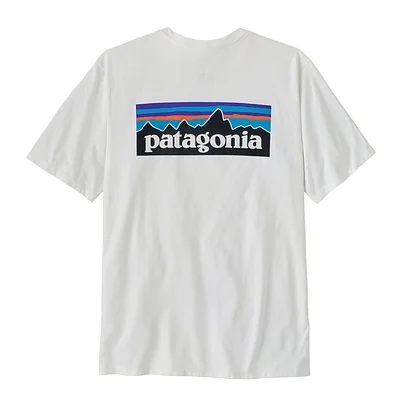 PatagoniaP-6 Logo Responsibili-Tee49,95 €S, M, L, XL, 2XL
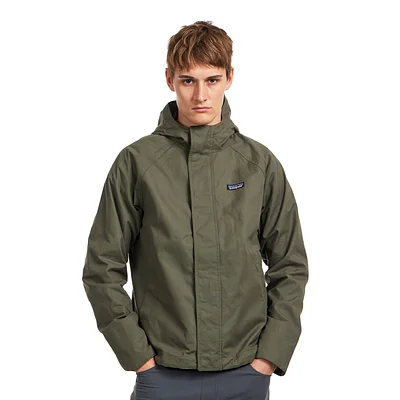 PatagoniaDry Wax Cotton Jacket349,95 €M, L, XL, 2XL
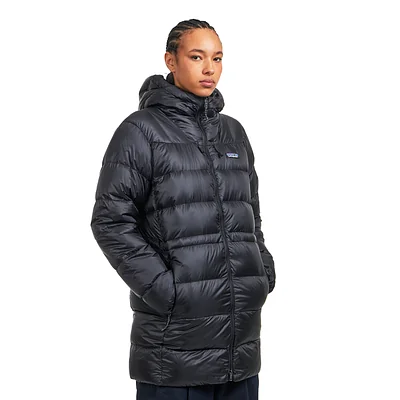 PatagoniaFitz Roy Down Parka499,95 €GIRLS XS, GIRLS S, GIRLS M, GIRLS L
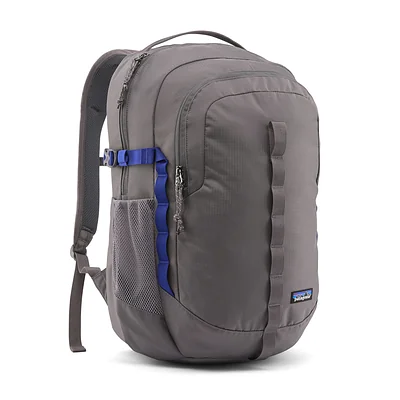 PatagoniaRefugio Day Pack 26L99,95 €One Size
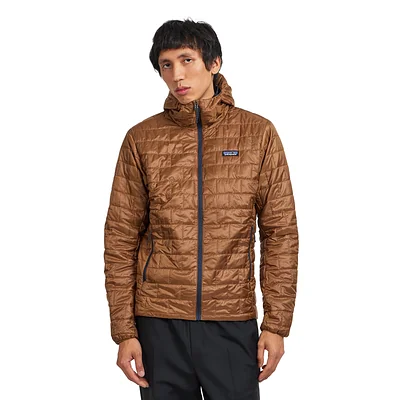 PatagoniaNano Puff Hoody229,95 €S, M, L, XL, 2XL
Patagonia: When responsibility takes shape…
Patagonia was born in the early 1970s out of a climber’s way of thinking. Yvon Chouinard shaped the brand in Ventura, California, and, from the world of mountaineering, built a company that today develops clothing and gear for skiing, snowboarding, surfing, climbing, trail running, and fly fishing. That origin still explains the company’s ambition today: not just to make beautiful things, but products that stand up to real-world use. Patagonia represents a style that combines function, attitude, and a clear awareness of everyday life between rock, water, and city.
Substance over gloss
Patagonia showed early on that business success and environmental responsibility do not have to be mutually exclusive. Since 1985, the brand has donated 1 percent of sales to protect and restore nature, and in 2002 Yvon Chouinard and Craig Mathews founded the 1 Percent For The Planet initiative to bring more companies onto the same path. That stance became especially clear in 2011, when Patagonia ran the “Don’t Buy This Jacket” ad in The New York Times and openly called for less consumption, more awareness, and longer use. The same line of thinking led to Worn Wear, a project that puts repair, reuse, and passing products on to others at the center.
Products with substance
Patagonia’s most important products visibly carry this idea outward. Black Hole Duffels stand for sturdy, travel-ready formats and, in current versions, are made from 100 percent recycled body fabric, lining, and webbing. The Synchilla line has become a core part of the brand thanks to soft, warm fleece made from recycled polyester. Capilene Cool Daily dries quickly, moves with you, and stays comfortable even during intense use. Baggies Shorts, in turn, are versatile, water-friendly, and designed for both everyday wear and sport. Add to that the H₂No® Performance Standard, Patagonia’s own testing benchmark for waterproofness, breathability, and durability. That is exactly where the brand’s appeal lies: it does not try to disguise itself, whether in urban streetwear or on the way to rehearsal, but instead comes across as reliable.
Materials, testing ground, supply chain
For years, Patagonia has worked consistently with materials and processes that place as little strain on the environment as possible. Since 2000, the brand has partnered with bluesign technologies, and in 2007 Patagonia became the first brand to officially join the bluesign system. It also uses Fair Trade Certified™ factories, which now produce more than 90 percent of the collection, along with programs for the Responsible Down Standard, Responsible Wool Standard, Material Traceability, and Living Wage. In practical terms, that means organic cotton, recycled materials, traceable down, responsibly produced wool, and a strictly controlled supply chain. Patagonia combines these standards with products that are not only technically durable, but also conceived with social responsibility in mind.
Between rock and street scene
Patagonia is therefore much more than a supplier for mountains and weather. The brand has a firm place in circles that value character over noise, and it suits people who see clothing not as a short-lived whim, but as a companion. A Patagonia fleece can work just as well on the slope as in the city, and a Patagonia duffel carries itself with confidence through travel, the studio, touring, and everyday life. This blend of durability, clear design language, and credible values is exactly what makes Patagonia distinctive to this day. The brand remains close to its roots and, precisely because of that, feels remarkably modern.
