In 1993, the story of FREITAG begins in Zurich with a clear, almost matter-of-fact question: How can you build a bag that truly works in everyday life? Daniel and Markus Freitag are looking for something functional, water-resistant, and sturdy. What emerges is the original form of the iconic F13 TOP CAT shoulder bag, made from retired truck tarps, discarded b
… read more
FREITAG
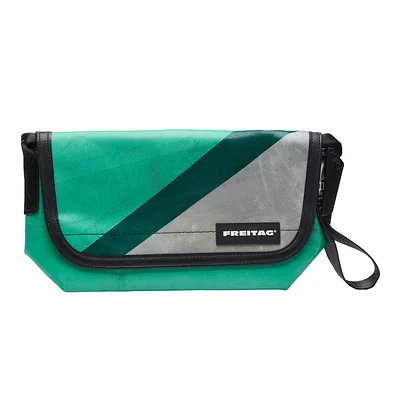 FREITAGHawaii Five-O189,95 €One Size
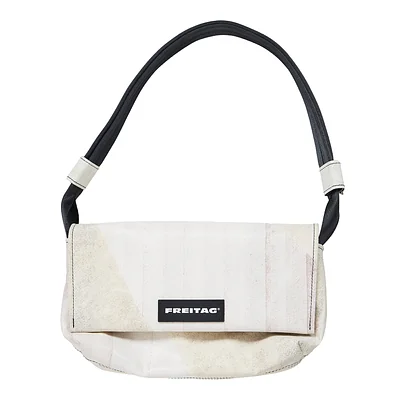 FREITAGLaura199,95 €One Size
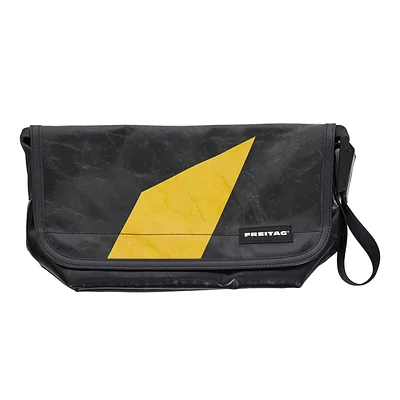 FREITAGSurfside 6219,95 €One Size
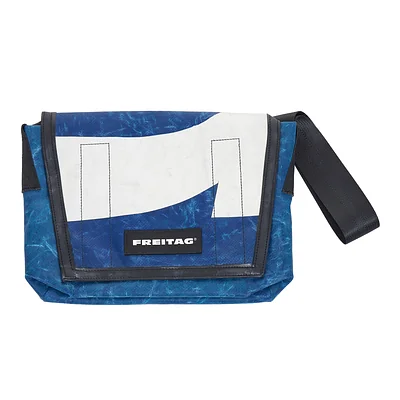 FREITAGLassie244,95 €One Size
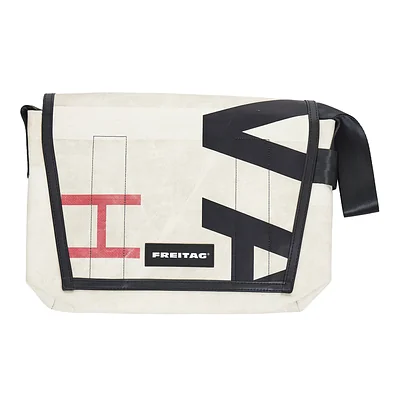 FREITAGDexter284,95 €One Size
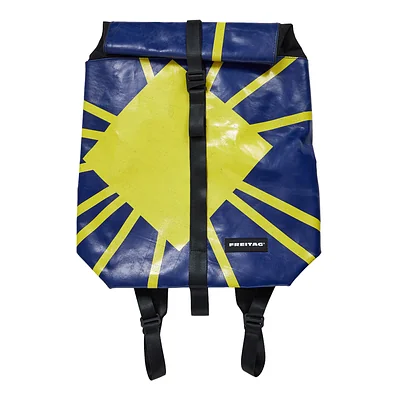 FREITAGClapton324,95 €One Size
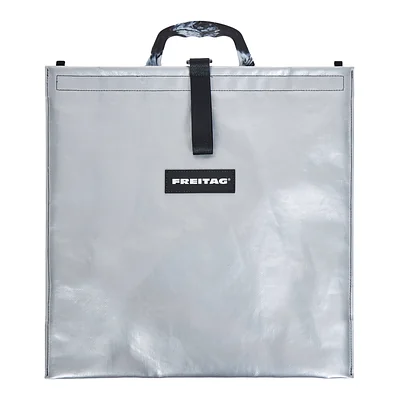 FREITAGCool Bag179,95 €One Size
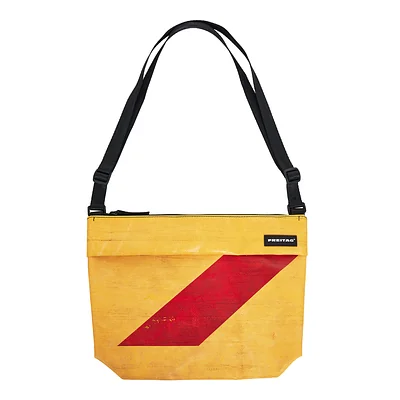 FREITAGLou179,95 €One Size
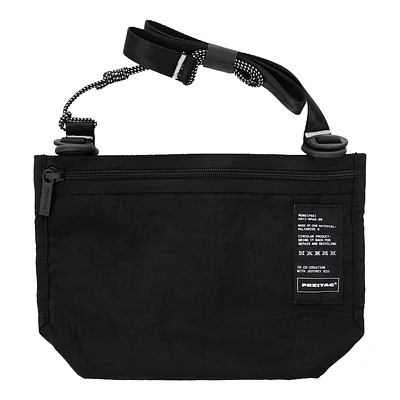 FREITAGMono PA6 Musette99,95 €One Size
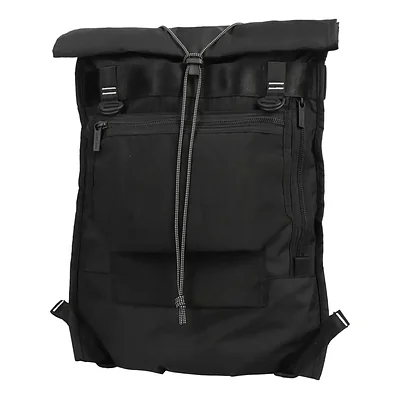 FREITAGMono PA6334,95 €One Size
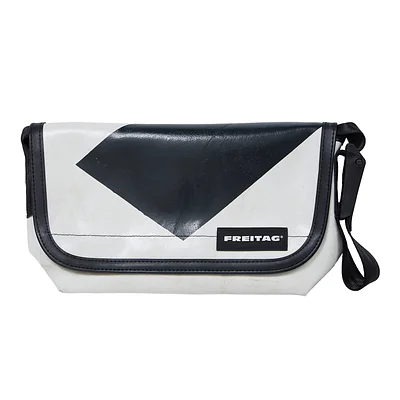 FREITAGHawaii Five-O189,95 €One Size
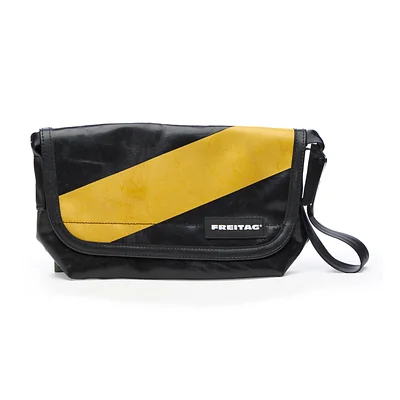 FREITAGHawaii Five-O189,95 €One Size
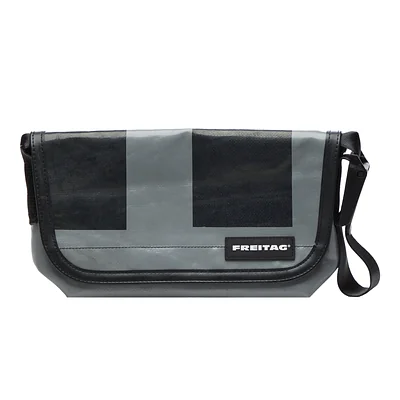 FREITAGHawaii Five-O189,95 €One Size
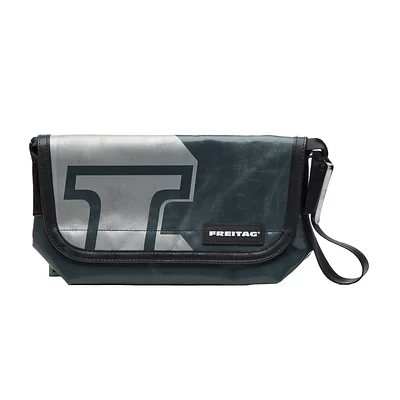 FREITAGHawaii Five-O189,95 €One Size
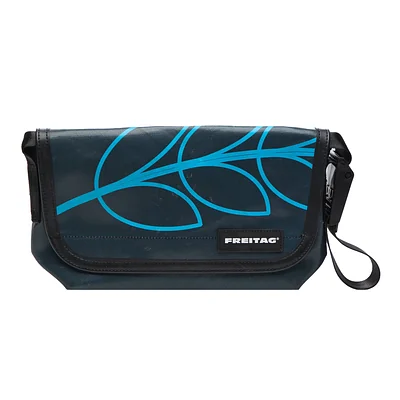 FREITAGHawaii Five-O189,95 €One Size
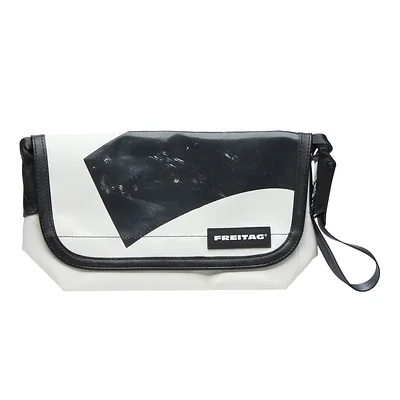 FREITAGHawaii Five-O189,95 €One Size
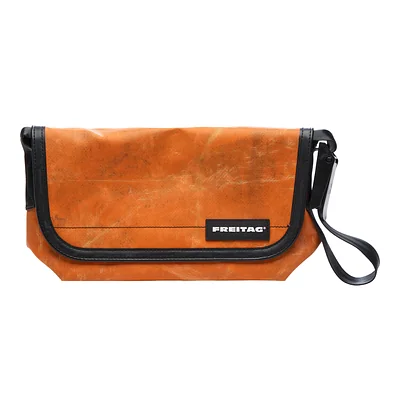 FREITAGHawaii Five-O189,95 €One Size
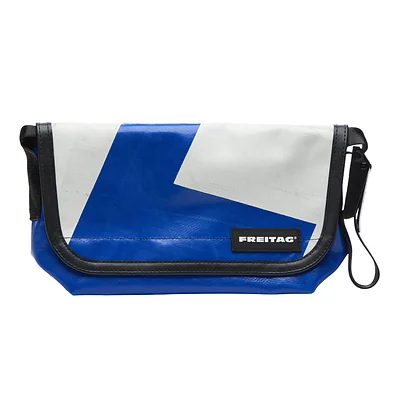 FREITAGHawaii Five-O189,95 €One Size
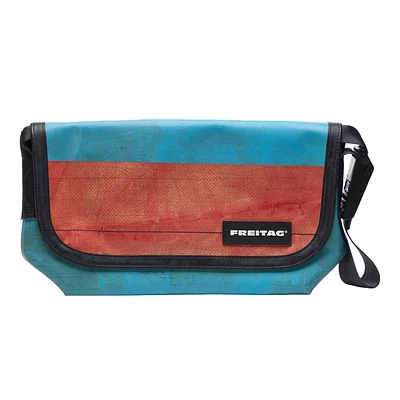 FREITAGHawaii Five-O189,95 €One Size
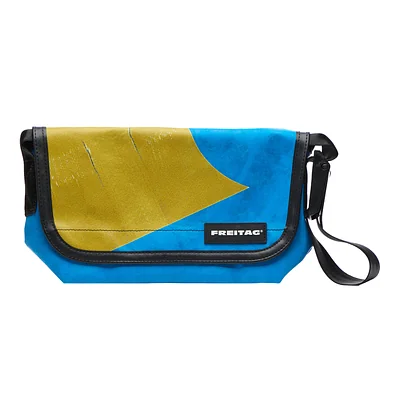 FREITAGHawaii Five-O189,95 €One Size
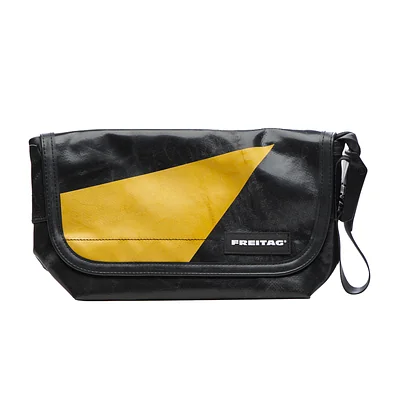 FREITAGHawaii Five-O189,95 €One Size
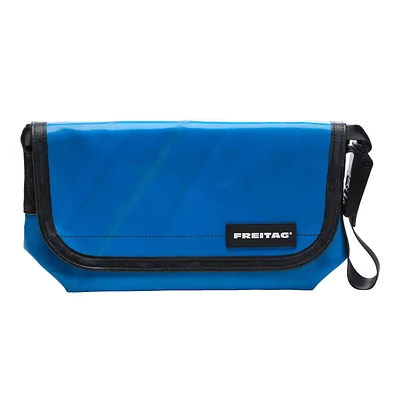 FREITAGHawaii Five-O189,95 €One Size
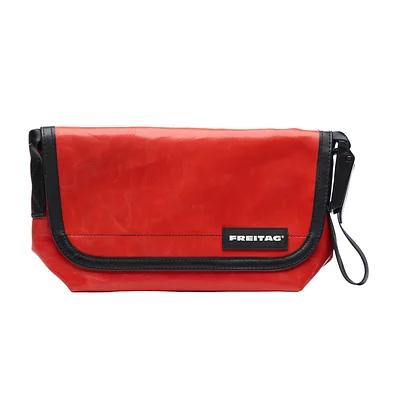 FREITAGHawaii Five-O189,95 €One Size
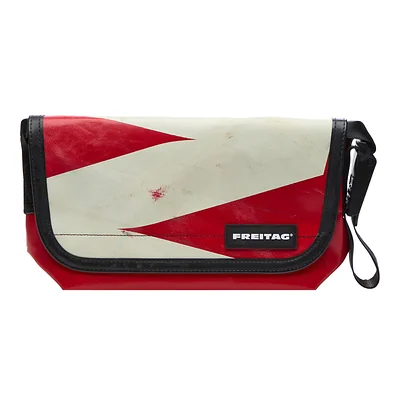 FREITAGHawaii Five-O189,95 €One Size
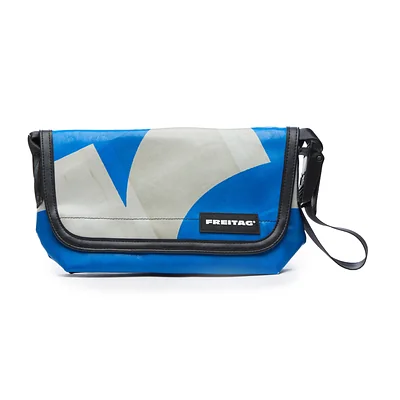 FREITAGHawaii Five-O189,95 €One Size
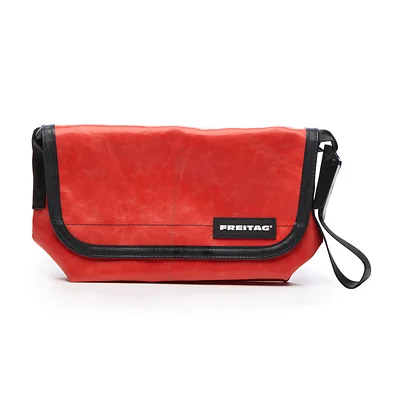 FREITAGHawaii Five-O189,95 €One Size
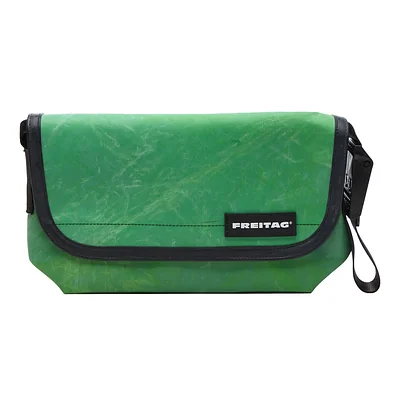 FREITAGHawaii Five-O189,95 €One Size
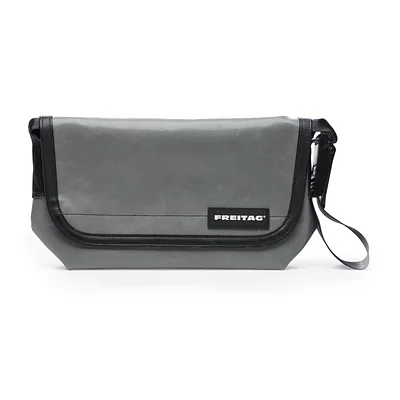 FREITAGHawaii Five-O189,95 €One Size
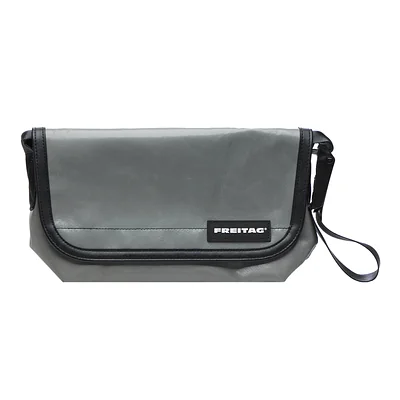 FREITAGHawaii Five-O189,95 €One Size
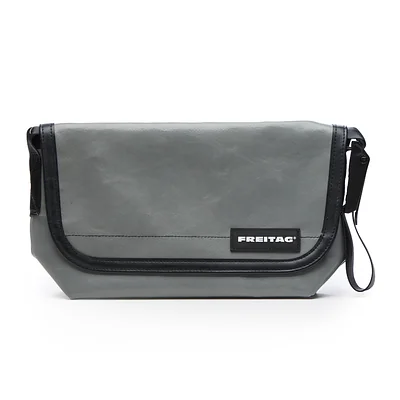 FREITAGHawaii Five-O189,95 €One Size
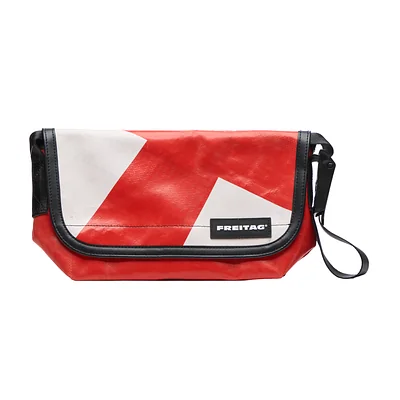 FREITAGHawaii Five-O189,95 €One Size
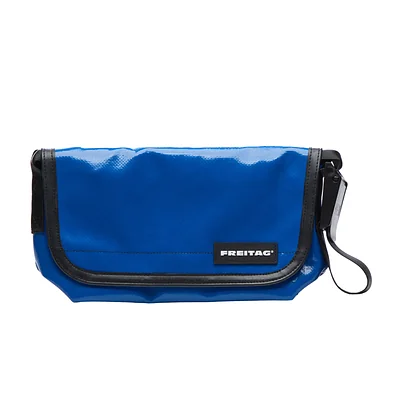 FREITAGHawaii Five-O189,95 €One Size
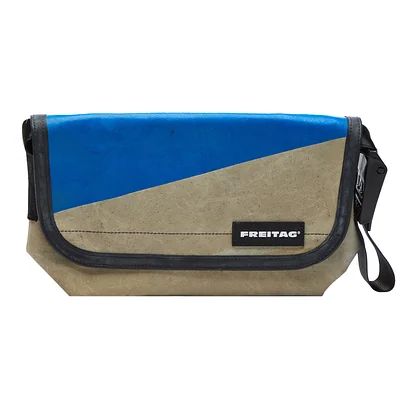 FREITAGHawaii Five-O189,95 €One Size
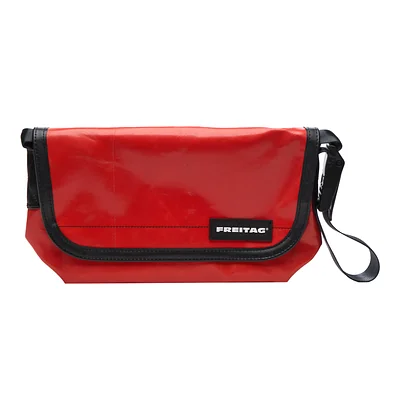 FREITAGHawaii Five-O189,95 €One Size
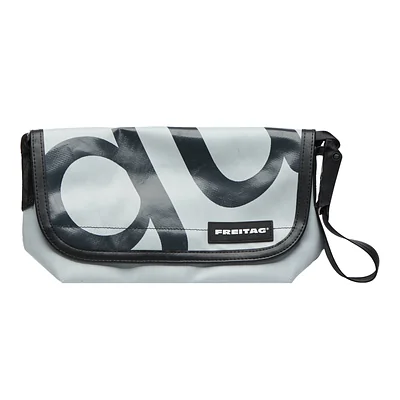 FREITAGHawaii Five-O189,95 €One Size
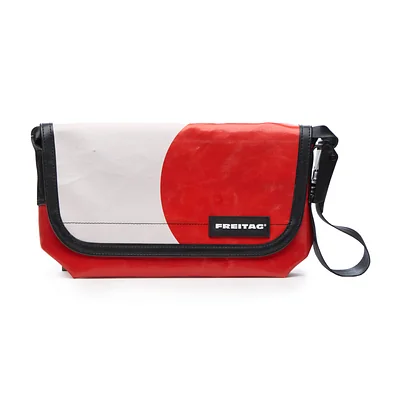 FREITAGHawaii Five-O189,95 €One Size
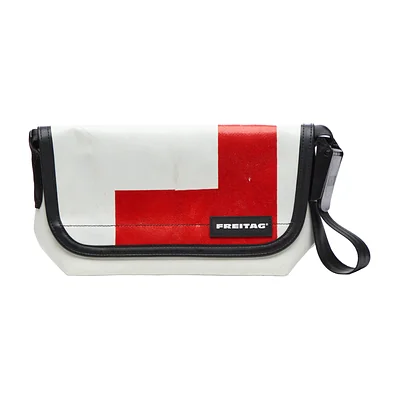 FREITAGHawaii Five-O189,95 €One Size
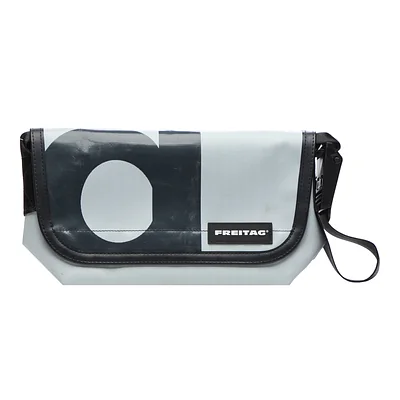 FREITAGHawaii Five-O189,95 €One Size
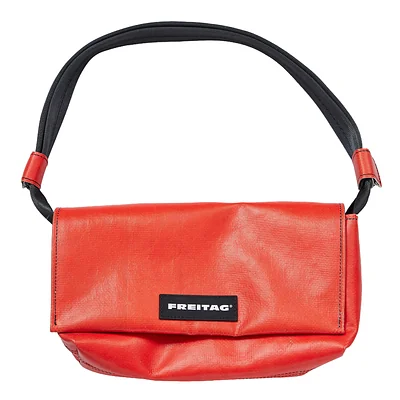 FREITAGLaura199,95 €One Size
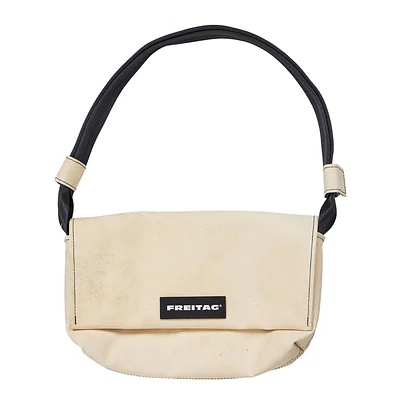 FREITAGLaura199,95 €One Size
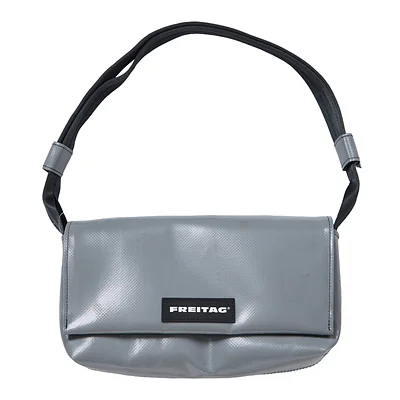 FREITAGLaura199,95 €One Size
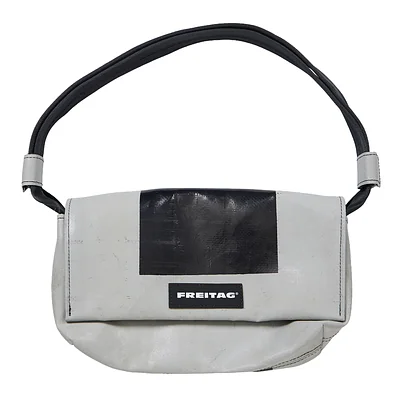 FREITAGLaura199,95 €One Size
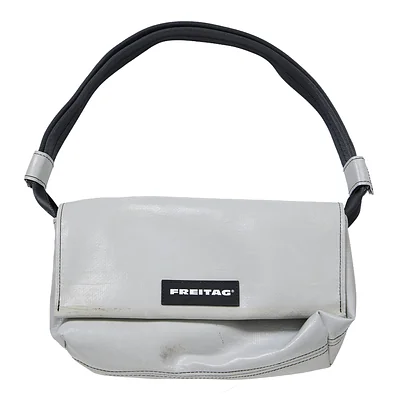 FREITAGLaura199,95 €One Size
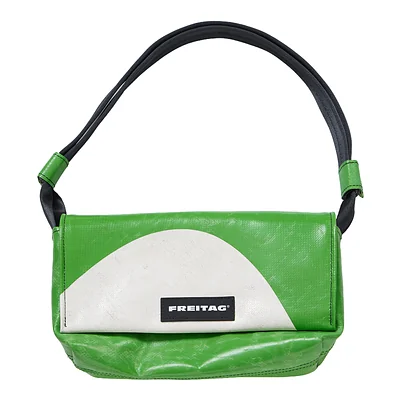 FREITAGLaura199,95 €One Size
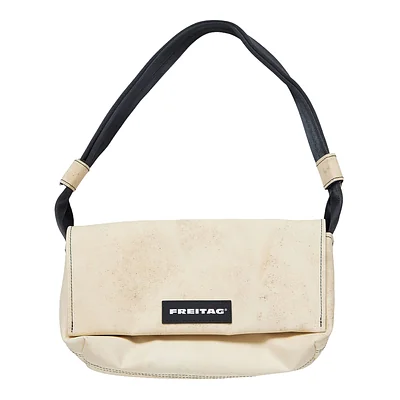 FREITAGLaura199,95 €One Size
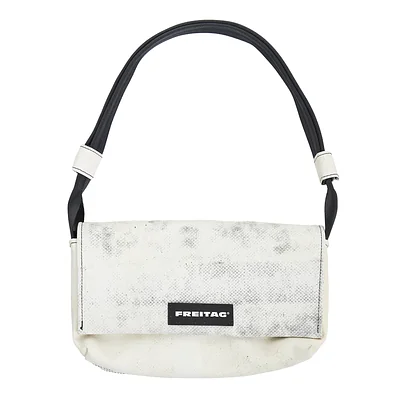 FREITAGLaura199,95 €One Size
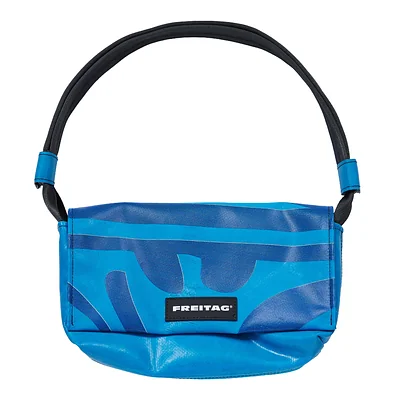 FREITAGLaura199,95 €One Size
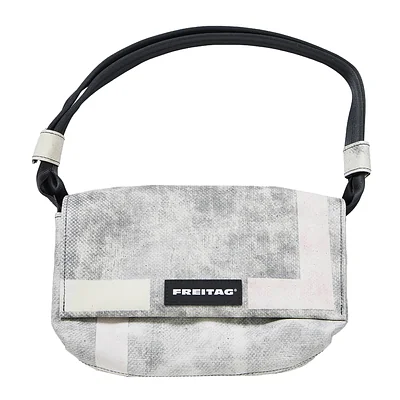 FREITAGLaura199,95 €One Size
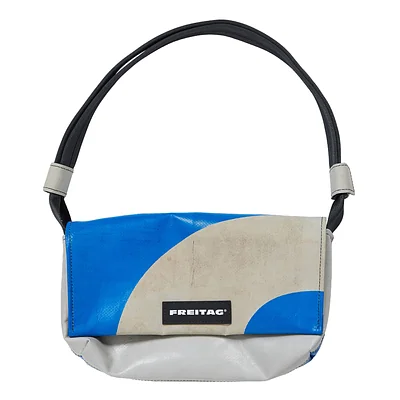 FREITAGLaura199,95 €One Size
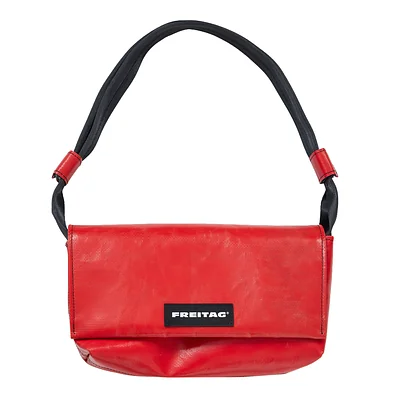 FREITAGLaura199,95 €One Size
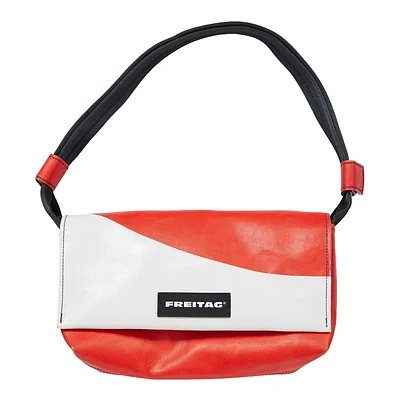 FREITAGLaura199,95 €One Size
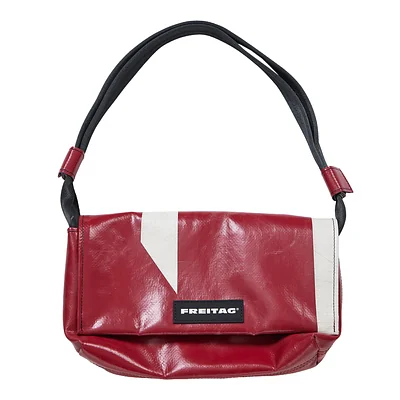 FREITAGLaura199,95 €One Size
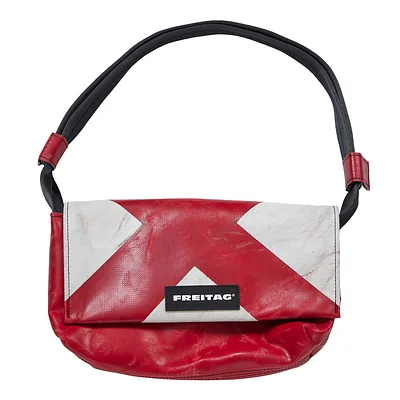 FREITAGLaura199,95 €One Size
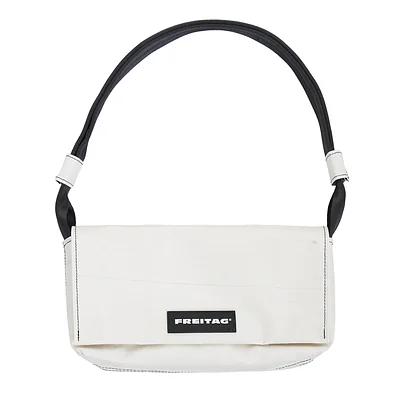 FREITAGLaura199,95 €One Size
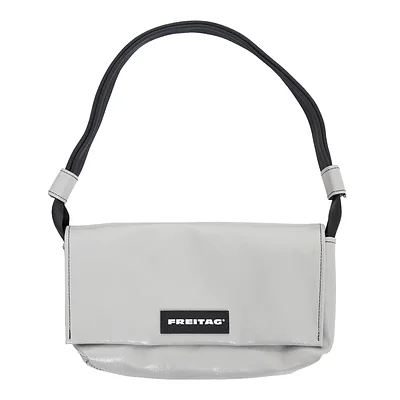 FREITAGLaura199,95 €One Size
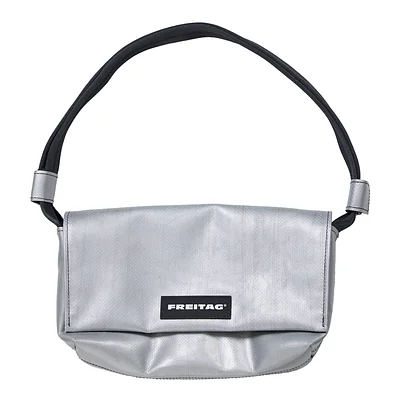 FREITAGLaura199,95 €One Size
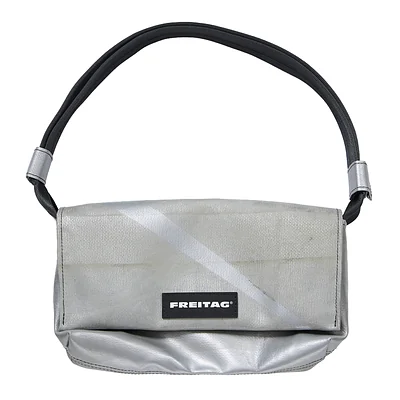 FREITAGLaura199,95 €One Size
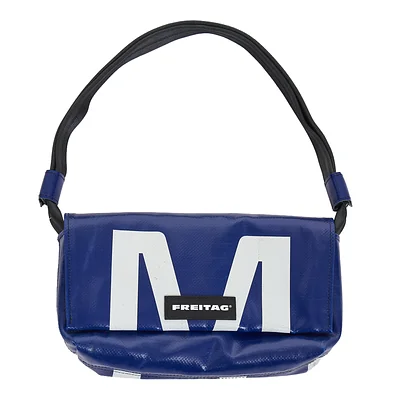 FREITAGLaura199,95 €One Size
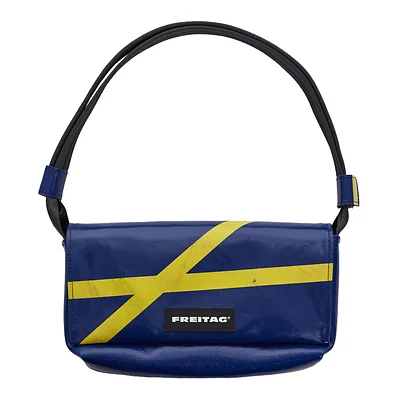 FREITAGLaura199,95 €One Size
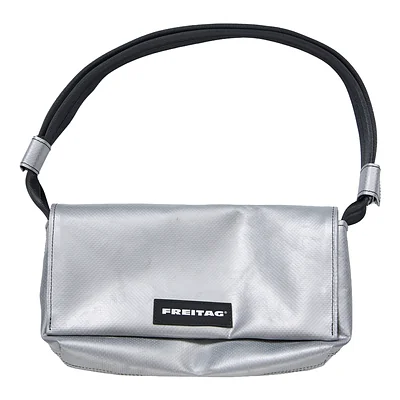 FREITAGLaura199,95 €One Size
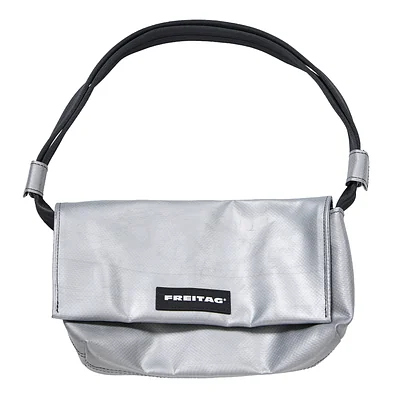 FREITAGLaura199,95 €One Size
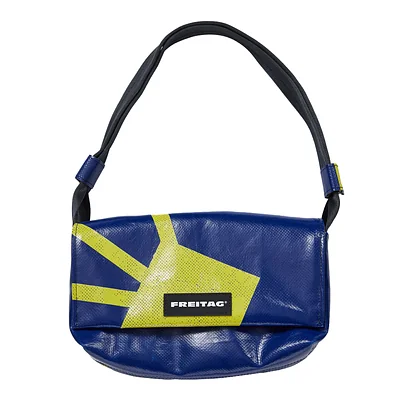 FREITAGLaura199,95 €One Size
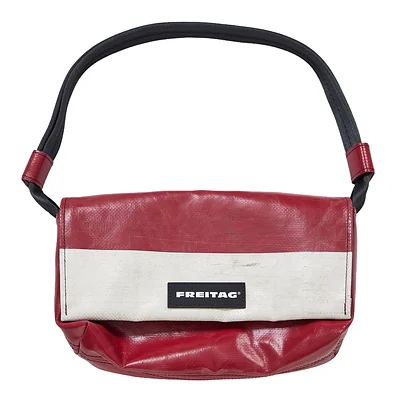 FREITAGLaura199,95 €One Size
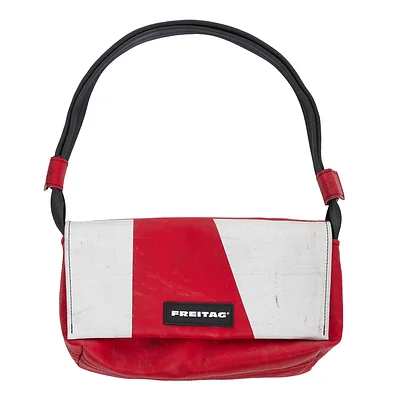 FREITAGLaura199,95 €One Size
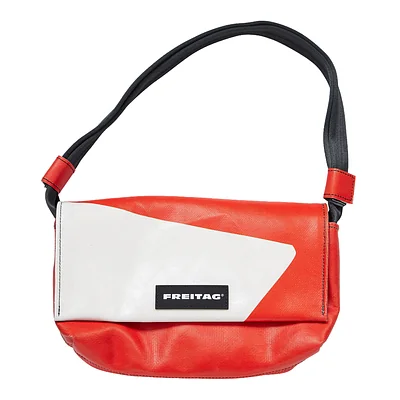 FREITAGLaura199,95 €One Size
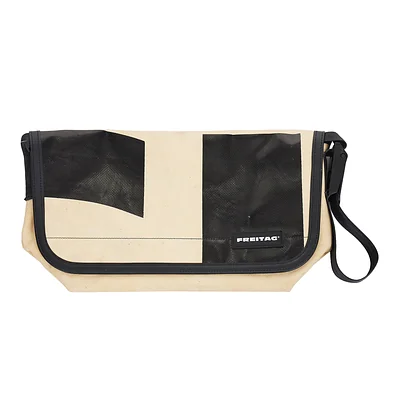 FREITAGSurfside 6219,95 €One Size
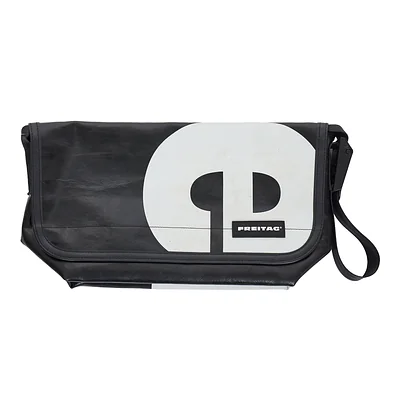 FREITAGSurfside 6219,95 €One Size
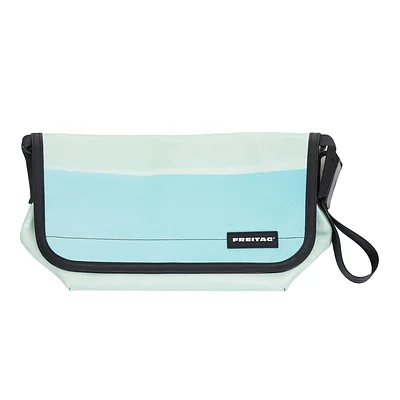 FREITAGSurfside 6219,95 €One Size
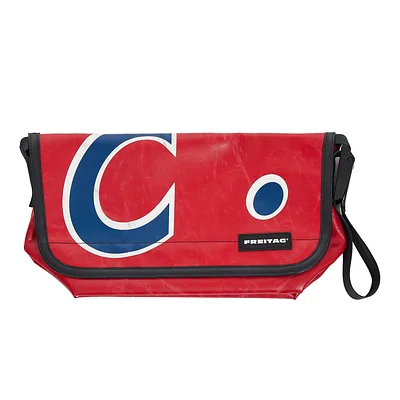 FREITAGSurfside 6219,95 €One Size
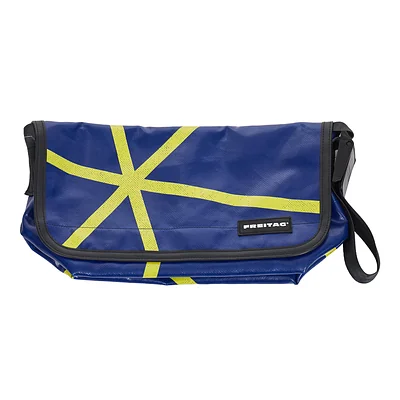 FREITAGSurfside 6219,95 €One Size
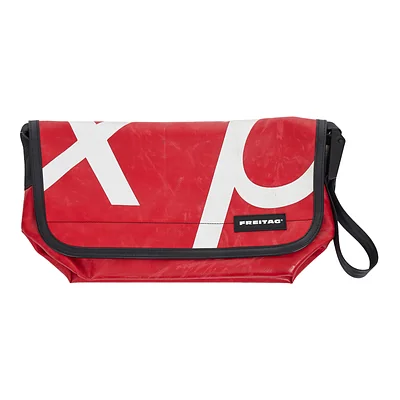 FREITAGSurfside 6219,95 €One Size
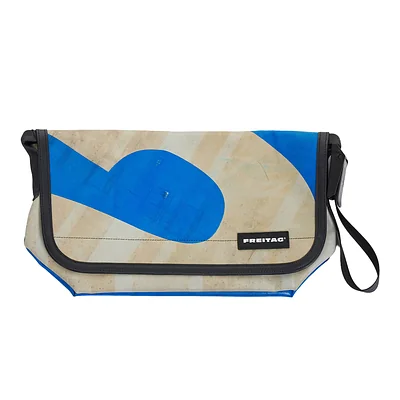 FREITAGSurfside 6219,95 €One Size
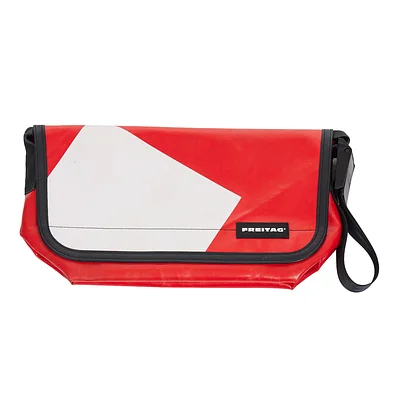 FREITAGSurfside 6219,95 €One Size
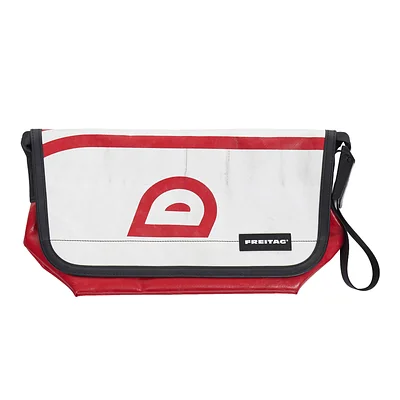 FREITAGSurfside 6219,95 €One Size
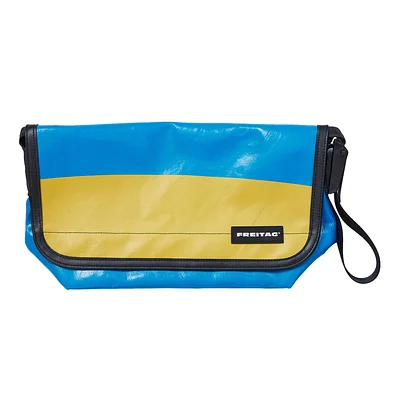 FREITAGSurfside 6219,95 €One Size
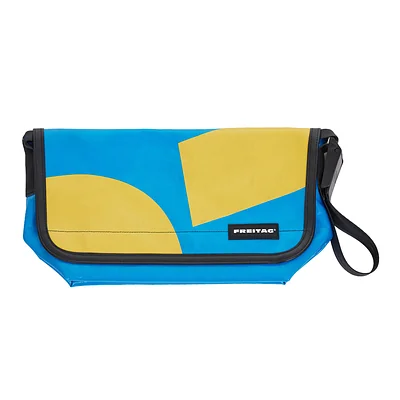 FREITAGSurfside 6219,95 €One Size
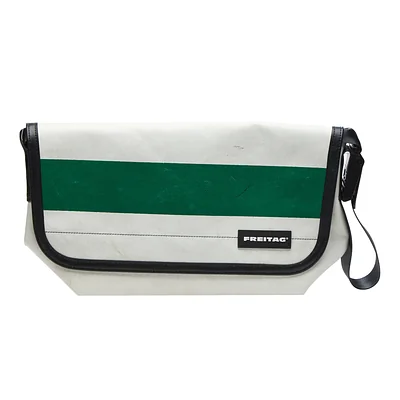 FREITAGSurfside 6219,95 €One Size
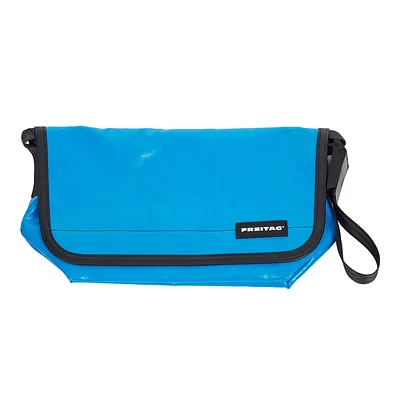 FREITAGSurfside 6219,95 €One Size
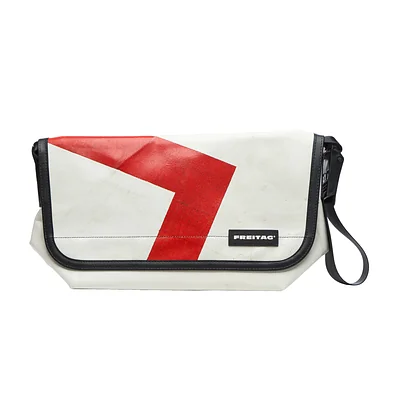 FREITAGSurfside 6219,95 €One Size
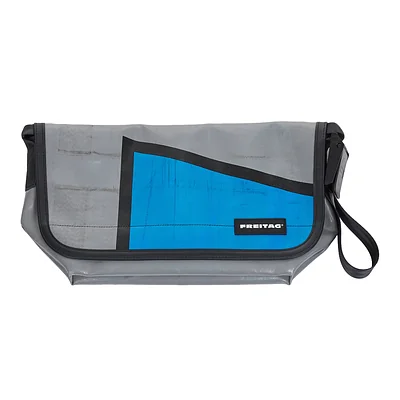 FREITAGSurfside 6219,95 €One Size
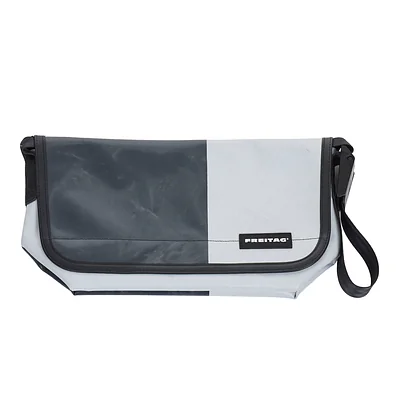 FREITAGSurfside 6219,95 €One Size
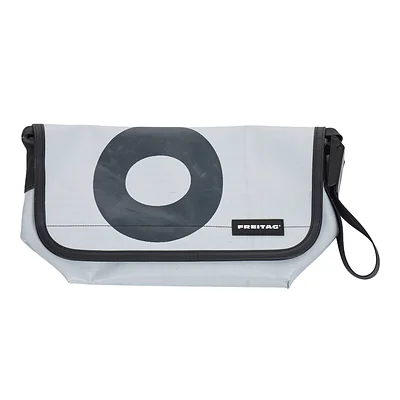 FREITAGSurfside 6219,95 €One Size
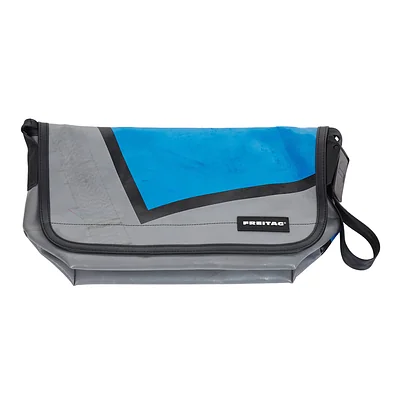 FREITAGSurfside 6219,95 €One Size
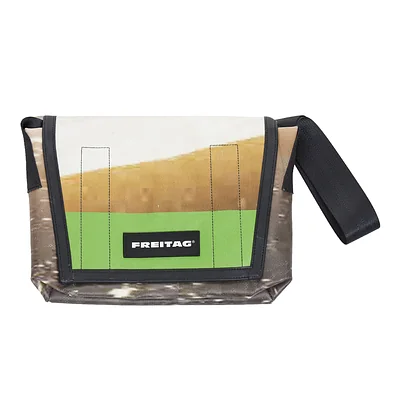 FREITAGLassie244,95 €One Size
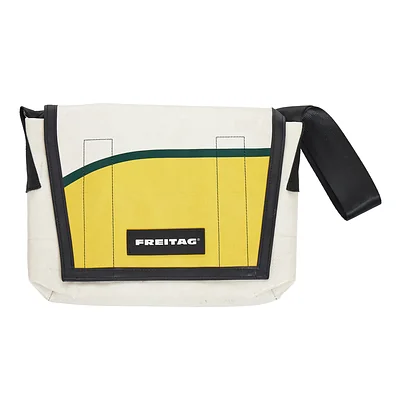 FREITAGLassie244,95 €One Size
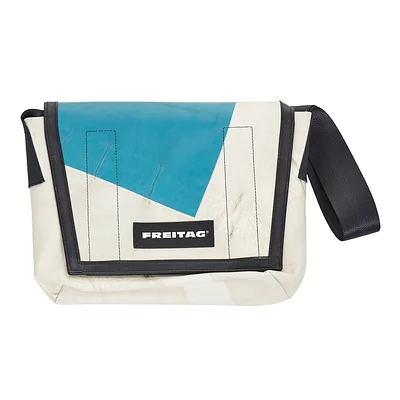 FREITAGLassie244,95 €One Size
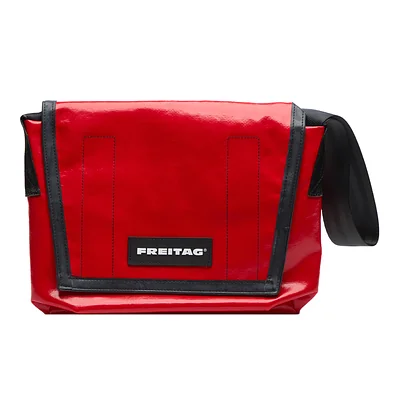 FREITAGLassie244,95 €One Size
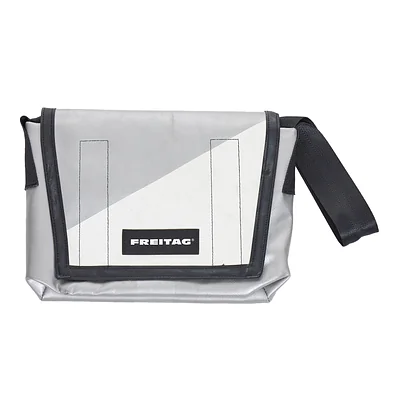 FREITAGLassie244,95 €One Size
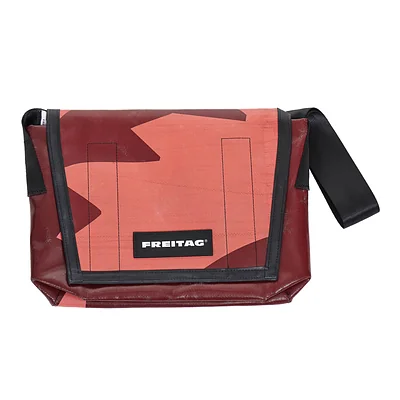 FREITAGLassie244,95 €One Size
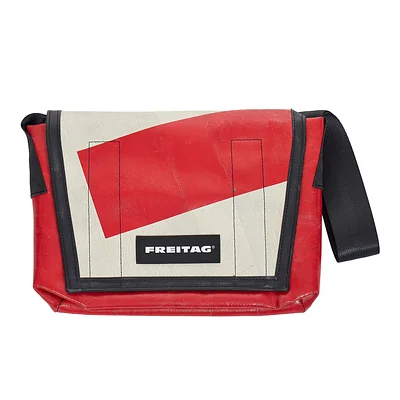 FREITAGLassie244,95 €One Size
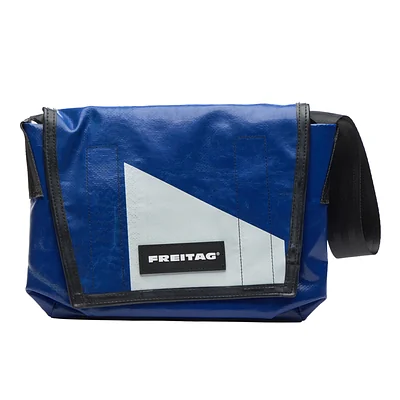 FREITAGLassie244,95 €One Size
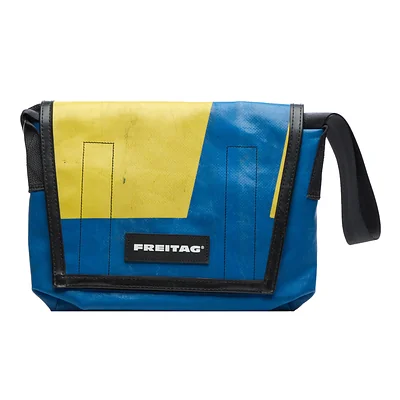 FREITAGLassie244,95 €One Size
 FREITAGLassie244,95 €One Size
 FREITAGLassie244,95 €One Size
 FREITAGLassie244,95 €One Size
 FREITAGLassie244,95 €One Size
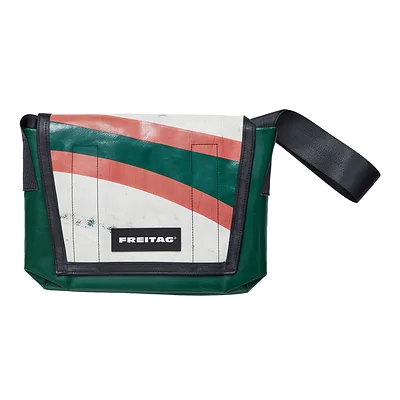 FREITAGLassie244,95 €One Size
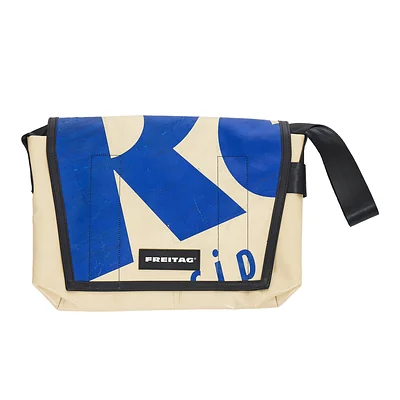 FREITAGDexter284,95 €One Size
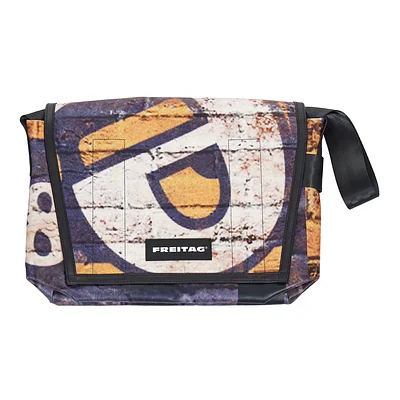 FREITAGDexter284,95 €One Size
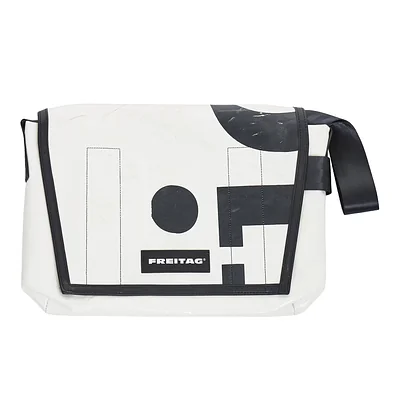 FREITAGDexter284,95 €One Size
FREITAG: From surplus material to urban signature
In 1993, the story of FREITAG begins in Zurich with a clear, almost matter-of-fact question: How can you build a bag that truly works in everyday life? Daniel and Markus Freitag are looking for something functional, water-resistant, and sturdy. What emerges is the original form of the iconic F13 TOP CAT shoulder bag, made from retired truck tarps, discarded bicycle inner tubes, and seat belts. This exact mix has defined FREITAG’s character ever since. What starts as a practical idea grows into a brand whose one-of-a-kind bags are carried from Europe to Asia and that showed early on that signs of use are not a flaw, but an expression of attitude. Ten years after the company was founded, the first FREITAG product lands at the Museum of Modern Art in New York and becomes part of its design collection.
Edge over convention, every piece with its own trace
For more than three decades, FREITAG has stood for products that do not pit design against function. The bags are defined by clean forms, high durability, and a material look that hides nothing. Every tarp brings its own history, every surface is different, and every cut creates a one-of-a-kind piece. That is exactly where FREITAG’s fascination lies. The brand combines rugged everyday practicality with an aesthetic that comes from the street and stays in everyday life. Instead of smooth perfection, FREITAG values the visible origins of its materials, and instead of short-lived effects, it values longevity. The result is items that do not try to please but make a statement. FREITAG thinks in cycles, keeps used materials in circulation for as long as possible, and has built a distinctive profile from that approach that reaches far beyond a single bag.
F-ABRIC as proof that material can be reimagined
In 2014, FREITAG expands its own horizons and develops F-ABRIC, its first fully circular material. The biodegradable textiles made from hemp, linen, and modal are developed entirely in-house from the ground up and produced with minimal resource use within a 2,500-kilometer radius around the company’s headquarters in Zurich. In doing so, FREITAG shows that the idea of reuse does not end with the bag itself but can also shape clothing. F-ABRIC stands for a production process that is deliberately lean, organized close to home, and consistently designed for returning to the cycle. In FREITAG’s logic, the material is not simply consumed but placed in a larger context. That is what makes the line so compelling: it translates the brand’s approach into another form without losing its own language. This keeps FREITAG experimental and, at the same time, precise in execution.
A manifesto for mindful making and strong alliances
In 2015, FREITAG condenses its position in a manifesto created as part of the exhibition “FREITAG ad Absurdum” at the mudac design museum in Lausanne. It sees itself as a plea for conscious, meaningful production and consumption and remains, in a slightly adapted form, a guiding framework for the brand to this day. This clarity also shapes FREITAG’s collaborations with partners who share the same respect for materials and design. Hender Scheme reinterprets two iconic bags for FREITAG, while Études Studio develops a limited special edition of the F41 HAWAII FIVE-0 together with FREITAG. Projects like this show how open FREITAG remains to precisely chosen collaborations without giving up its core. The brand always stays recognizable: urban, resistant, independent, and deeply rooted in a culture that turns function into a visual language.
